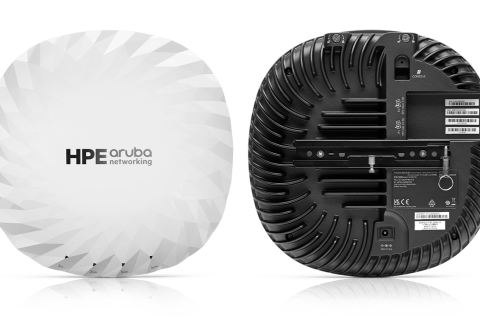
As businesses migrate their applications to the cloud, traditional branch networks become increasingly complex and struggle to meet modern security and connectivity demands. With the proliferation of hybrid work, employees need to be able to connect to their devices, regardless of whether they're in the office or working remotely. There is a growing need to provide a simple, secure, and consistent user experience, just like in a cafe.
This 'cafe network' architecture does not trust all endpoints. Zero TrustIt means a simplified branch structure that applies .
What is a coffee shop network?
‘A 'cafe network' is an architectural model that provides a consistent and simplified user experience across all work environments.1
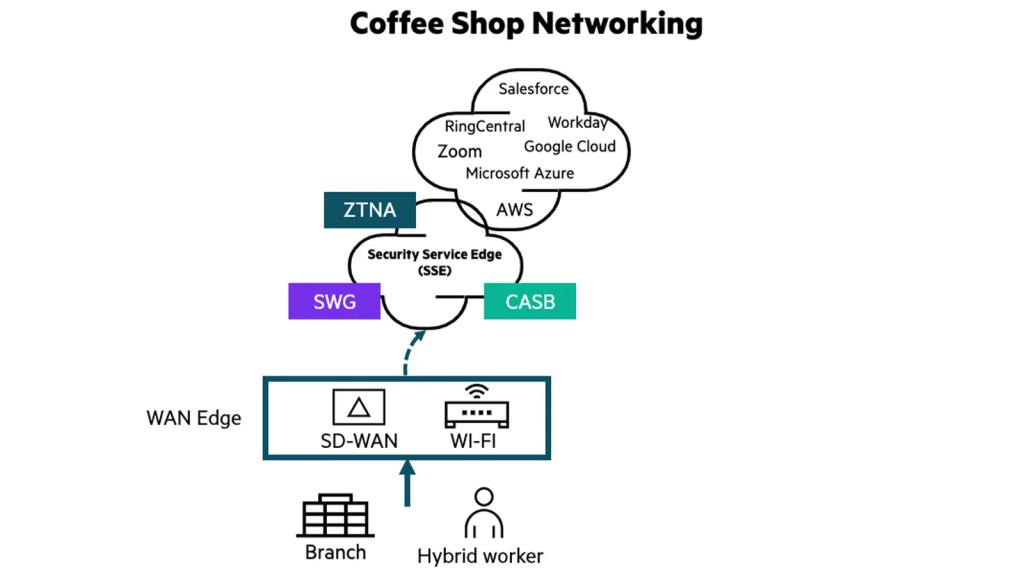
Just like in a cafe, employees can sit down, connect to the internet, and start working right away.
This model not only applies to remote work, but also transforms the work environment by eliminating the complexity of branch networks.
Essentially, CafeNetwork moves away from centralized data centers. Internet-first, cloud-based servicesShift your focus to .
This effectively supports hybrid work, cloud adoption, and zero-trust security without compromising performance or user experience.
Components of the Cafe Network
Building a successful cafe network architecture requires a combination of the following elements:.
- Distributing Internet traffic to the cloud Lightweight SD-WAN
- Protecting cloud access Secure Service Edge (SSE)
- Authenticates and authorizes users and devices Cloud-native NAC (Network Access Control)
- Connecting them Wireless LAN
1. Local Internet Branching with Lightweight SD-WAN and Cloud-First Access
The core of the cafe network is the 'local internet breakout' feature of the SD-WAN solution.
Instead of 'backhauling' all branch traffic back to the data center for security inspection, this approach allows traffic to exit directly locally, and is cloud-based. Secure Service Edge (SSE) Route directly to the platform.
Additionally, SD-WAN combines lines from multiple Internet Service Providers to optimize traffic and reduce reliance on MPLS.
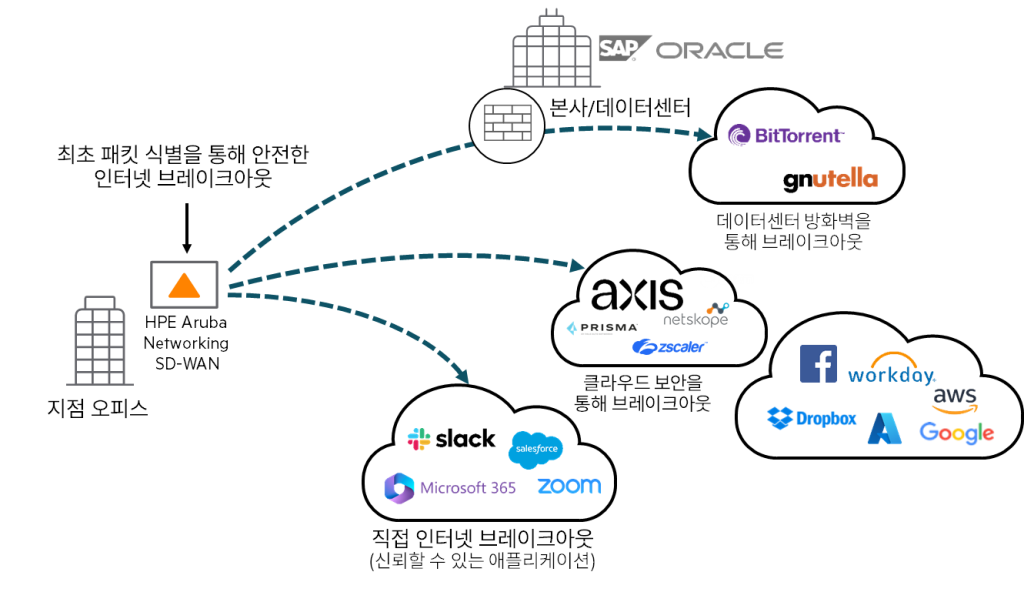
In the cafe network model, SD-WAN connectivity between branches and data centers is optional.
Branch offices can establish direct tunnels to the data center for specific purposes (e.g., accessing legacy systems), but by default, all traffic to SaaS, the Internet, and applications hosted in private clouds is securely routed through SSE.
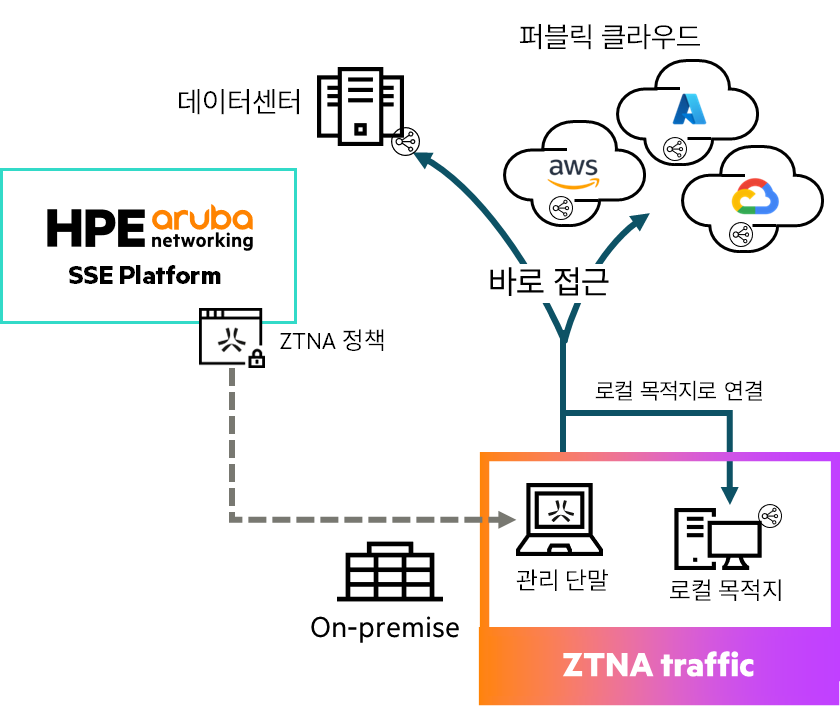
Remote and mobile users follow the same principles.
They connect directly to the SSE platform via an internet connection from any location - home, hotel, cafe, etc. - through ZTNA or an SSE agent.
This ensures consistent access policies and threat protection, whether inside or outside the corporate network.
HPE Aruba Networking offers a variety of solutions to fit all branch office sizes and remote office use cases. SD-WAN We provide solutions.
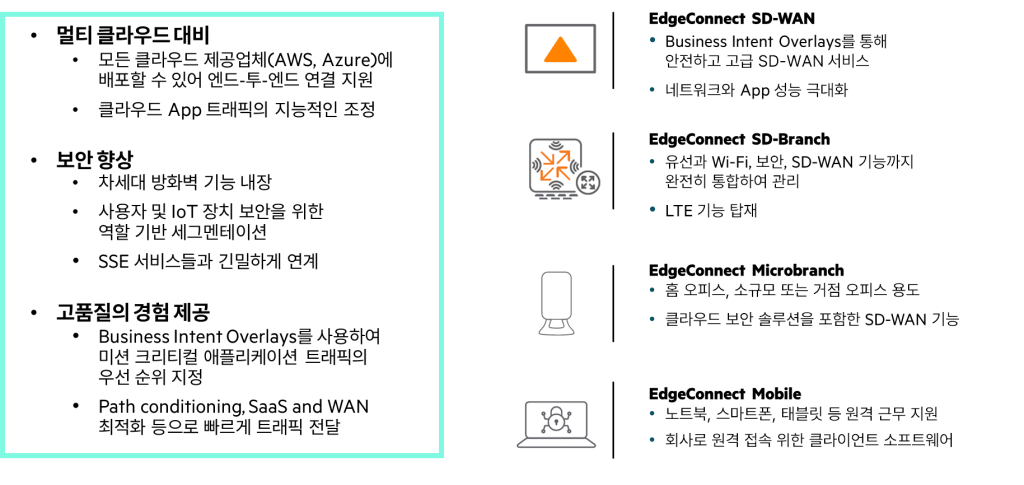
- HPE Aruba Networking EdgeConnect SD-WAN: Secure SD-WAN with built-in next-generation firewall, offering advanced optimization features like AppExpress, tunnel bonding, and path conditioning.
- HPE Aruba Networking EdgeConnect SD-Branch: Reduce infrastructure sprawl and streamline operations by integrating wired, wireless, security, and SD-WAN and centrally managing them with HPE Aruba Networking Central.
- HPE Aruba Networking EdgeConnect Microbranch: Ideal for small offices or home office workers.
Enables secure WAN connections using Remote Access Points (RAPs) and integrates with cloud-based security.
2. Zero-trust security through cloud-native SSE and NAC
Cafe networks assume that every device and user is potentially vulnerable.
Therefore, strict zero trust principles Identity-based access controlReduce the attack surface and minimize lateral movement by applying .
HPE Aruba Networking SSEis a cloud-native security platform that integrates ZTNA, Secure Web Gateway (SWG), Cloud Access Security Broker (CASB), and Data Loss Prevention (DLP) into a unified policy engine.
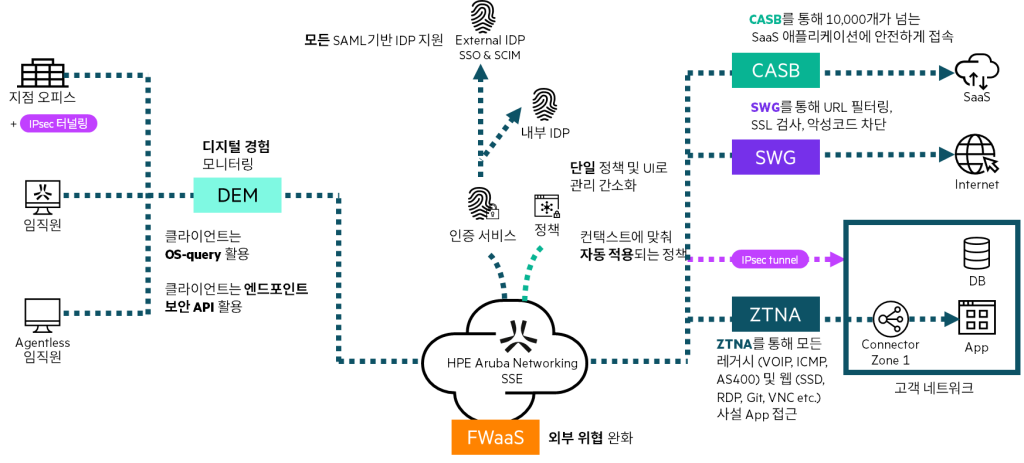
- ZTNAEnforces least privilege access to remote users.
- Universal ZTNAIt extends zero-trust principles to on-premises environments, providing "private edge" capabilities that allow branch office users to access local applications without going through the cloud.
- SWGIt scans web traffic and blocks access to malicious or inappropriate websites.
- CASBProvides visibility and control over SaaS usage, preventing shadow IT, data leaks, and ensuring compliance.
In addition to cloud-based SSE capabilities, HPE Aruba Networking EdgeConnect SD-WAN also offers:, Next-generation firewall featuresIt provides.
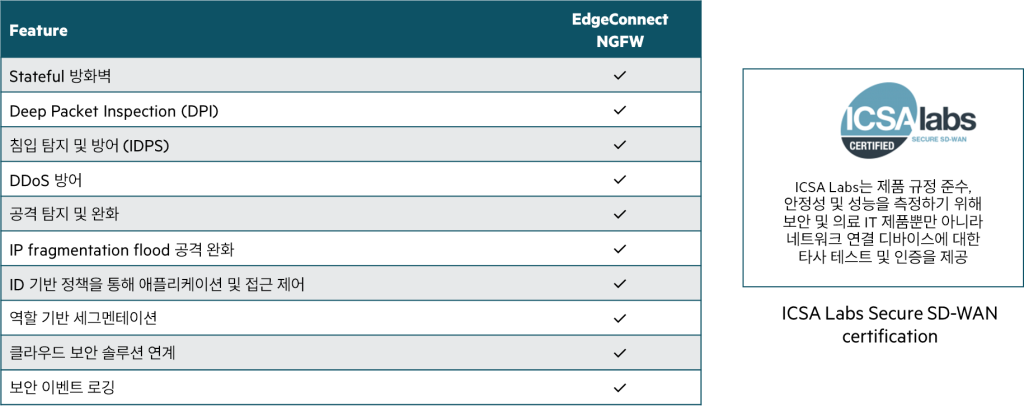
This includes essential elements of a zero-trust architecture, such as intrusion detection and prevention systems (IDS/IPS), adaptive DDoS defense, and role-based segmentation. By integrating firewall and router functions into a single SD-WAN platform, you can significantly simplify branch office infrastructure, reduce operating costs, and accelerate security policy deployment.
Based on cloud native architecture HPE Aruba Netwokring Central NACMoves access control to the cloud, enabling zero trust across diverse environments without the need for dedicated equipment.
- A key advantage is that it provides multi-vendor visibility and authentication across heterogeneous vendor infrastructure. This makes it ideal for distributed networks with a mix of equipment from multiple vendors.
- AI-powered device profiling capabilities provide detailed visibility into every connected client, regardless of whether they are managed, user, or IoT device.
3. Integrated and easy-to-manage architecture
Simplicity is the biggest advantage of the Cafe network, made possible by the tight integration of all network and security components.
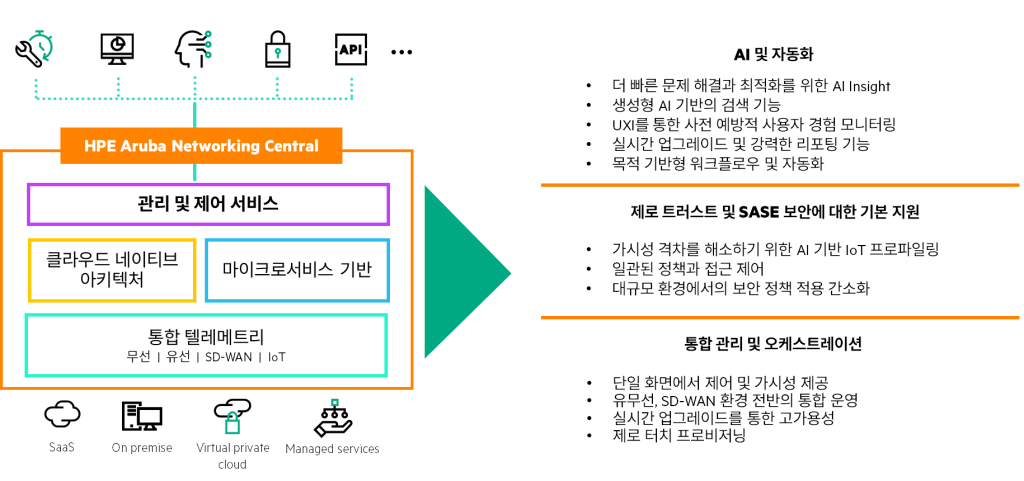
HPE Aruba Networking Centralis a cloud-native platform that integrates and manages wired and wireless LAN, SD-WAN, NAC, and security services from a single platform. This integration significantly reduces the operational burden on IT teams by reducing the need for fragmented tools and manual configuration.
HPE Aruba Networking Central enables consistent visibility and policy enforcement even across distributed environments.
Centrally define role-based access control, network segmentation, application-aware routing, and more and apply them across all your infrastructure, ensuring consistent network behavior regardless of site size or location.
conclusion
HPE Aruba Networking is a comprehensive cloud-first solution for modernizing office and branch connectivity. Cafe NetworkWith a flexible SD-WAN portfolio, cloud-native SSE and NAC, and centralized management from HPE Aruba Networking Central, this architecture empowers IT teams to effectively support hybrid work environments, enforce zero trust, and streamline operations.
- https://www.hpe.com/us/en/what-is/coffee-shop-networking.html ↩︎