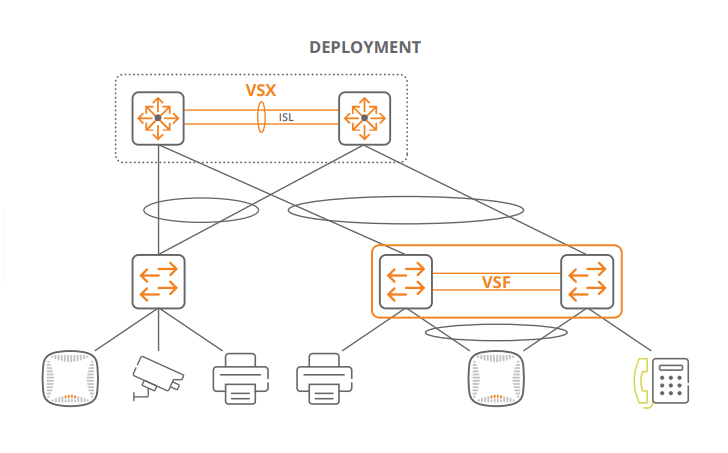

VSX

  • [ACP-DC Training#11] Loop Prevention and LAG Implementation

    Data center design involves multiple layers of redundancy, extending from server NIC cards to uplinks and switches. While this redundancy is essential, it simultaneously increases the risk of network loops, broadcast storms, and network outages. Today, we will learn key technologies to prevent these risks and build high-performance, redundant L2 data centers. 1. Structure of a Collapsed Core L2 Data Center A data center is…

  • [acp-dc training#10] vsx (2)

    In the previous post, we explored VSX, the virtualization technology of HPE Aruba Networking AOS-CX switches. We explained the components of VSX, the differences from VSF, and its advantages. Today, we will cover the practical aspects. We will examine how to utilize VSX in practice, such as live software upgrades and technologies like Split Brain. VSX Control Plane Separation and Software Update Control Plane…

  • [ACP-DC Training#9] VSX (1)

    Today, the demand for network availability is ceaseless. Customers require networks that operate 24 hours a day, 365 days a year, and HPE’s VSX technology offers a solution to this problem. HPE Aruba Networking’s VSX technology is a virtualization technology for data center and core switches running on the AOS-CX operating system. This solution enables switches in critical areas to function as if they were a single virtualized…

  • [ACP-DC Training#8] 2-Tier Design for Small Data Centers

    Layer 2 two-tier designs are simple to deploy, operate, and troubleshoot because they utilize existing traditional protocols. They can be managed without specialized knowledge of overlay protocols or complex designs. This architecture is suitable for small to medium-sized data centers, but in larger environments, it can also be implemented at the data center POD level. In a two-tier data center, host information is traditional bridge…

  • [ACP-DC Training #6] DCI and OOBM

    In the last post, we examined various data center network designs. We explained the characteristics of each design, along with their advantages, disadvantages, and architectural changes. This time, we will look at Data Center Interconnect (DCI), which connects data centers, and OOBM, which is a management network. Data Center Interconnect (DCI): A technology that connects multiple data centers. Everyone, it is common for customers to operate multiple data centers. These data centers are one…

  • [ACSA Education #39] Stacking

    Stacking technology is necessary to design, implement, and configure a more resilient and stable high-performance network. In this post, we will explore this stacking technology and examine Aruba switch stacking technologies, specifically VSF (Virtual Switching Framework) and VSX (Virtual Switching eXtension). Operation Plane – Data / Control / Management Plane Network devices logically consist of 3…