

Edge Study

  • [ACP-DC Training #16] Ethernet VPN (EVPN) Add-ons

    If you learned the basic concepts of EVPN fabric in the previous post, this time we will examine additional features to further optimize and enhance the EVPN environment. We will look at ARP and ND suppression functions that improve network performance by suppressing unnecessary broadcast/multicast frames occurring between leaf switches, and configuring AOS-CX switches to efficiently handle multicast traffic on the VXLAN/EVPN fabric…
  • [ACP-DC Training #15] EVPN (Ethernet VPN)

    Layer 3 fabric has become a standard topology commonly used in large-scale data centers because it provides low-latency communication within three hops between any hosts. Ethernet VPN (EVPN) enables both L2 and L3 communication by combining protocols such as VXLAN and MP-BGP to create dynamic EVPN tunnels between switches. At this point…

  • AI-based Zero Trust evolution model that goes beyond the limitations of ClearPass policy visibility

    When discussing Network Access Control (NAC), the core gateway to enterprise network security, HPE Aruba Networking's ClearPass Policy Manager (CPPM) is considered the most powerful and flexible policy engine currently available. By combining almost every conceivable context—such as endpoint profiling information, AD groups, access times, locations, and security status—it enables sophisticated access control…

  • [ACP-DC Training #14] VXLAN

    Why VXLAN? The foundation of VXLAN functionality is the RFC 7348 standard, which provides an alternative to the existing traditional VLAN concept. 1. Overcoming the Limitation of VLAN Count (ID Scalability) Traditional VLANs use 12-bit numeric tags inside the 802.1Q header. This means that only a maximum of 4,094 different VLANs can be created…

  • [MCP Practice] Unifying Cross-Domain Network Infrastructure

    In the previous post, "How to Use AI Smarter: MCP (Model Context Protocol)," we examined the concept and necessity of MCP (Model Context Protocol), a standard protocol that enables LLMs to go beyond simple chatbots and exchange data with external systems in real time. This naturally leads to the question, "I understand the concept, but how can I apply it to my actual network operating environment?" For field engineers…

  • No interruptions in traffic even during firmware updates? The ISSU Complete Guide

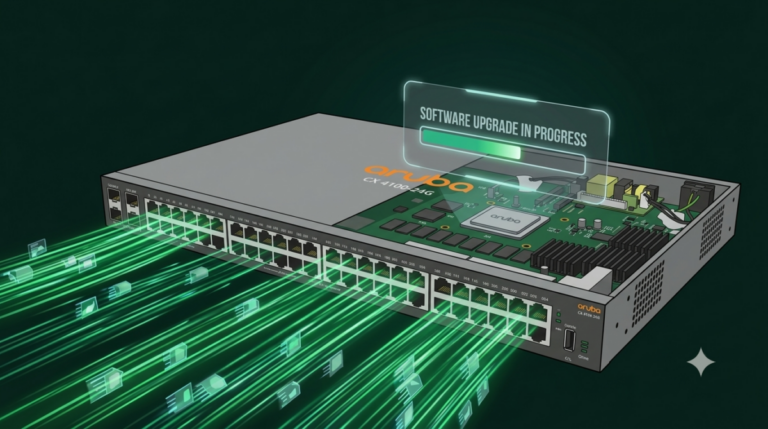
    One of the first perplexing moments you experience after joining a company as a network engineer is when a senior colleague says, “We’re going to update the switch firmware at 2 AM tonight, so get ready.” Whenever you update a smartphone or PC, you always have to reboot and become unusable for a few minutes. The same applies to network switches. To upgrade the firmware version, you have to turn the equipment off and on again (Reboot), and in the meantime…

  • [Monitoring with Icinga Part 1] Basic Integration with Icinga 2 – SNMP & REST API

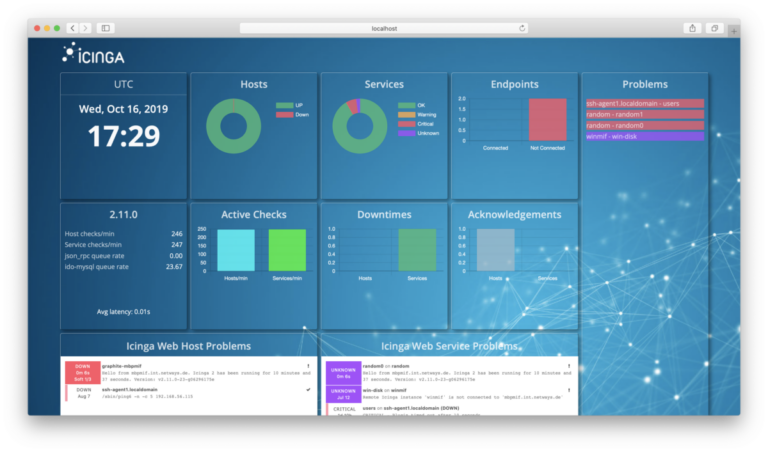
    1. Introduction: Infrastructure Monitoring, Why Icinga 2? When operating enterprise networks and infrastructure, Zabbix is by far the most familiar open-source monitoring tool to domestic engineers. Thanks to its intuitive web GUI, various basic templates, and an all-in-one environment consisting of a single package, it has established itself as the standard in numerous enterprise environments. However, the infrastructure operation paradigm is IaC (Infrastructure…

  • [Advanced Guide] Optical Transceiver Technology Innovations Supporting AI Data Centers (AIDC)

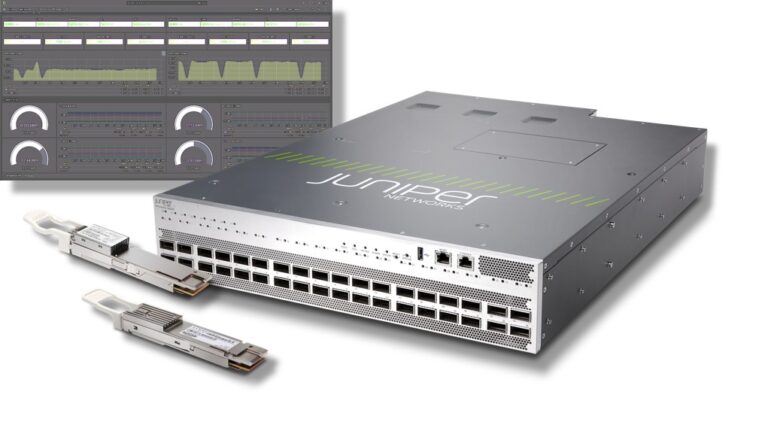
    As large-scale AI clusters and AIDC (AI Data Center) environments become commonplace, the core bottleneck in network engineering has shifted beyond the 'software stack' to 'Physical Signal Integrity' and 'Thermal Management.' This is because in fabrics where tens of thousands of accelerators perform all-to-all communication, even delays of just a few nanoseconds (ns) or link flaps can bring the entire collective computation to a halt. In the previous [Basic] section, GBIC's…

  • [Absolute Basic Guide] Don't I need a GBIC to plug in an optical cable?

    If you work in network engineering or at a data center, there is a question and request you hear most frequently: “We need to connect fiber optic cables to that switch, so please bring a few GBICs.‘ However, when you actually visit the site, you have likely been flustered to find that, in addition to simple optical modules, they use unusual cables with integrated cabling, and the module shapes and cable colors vary widely….

  • How to Use AI Smarter, MCP

    Recently, you have likely encountered powerful built-in AI features such as 'Agentic AI' or 'Marvis' on platforms like HPE Aruba Central or Juniper Mist. However, hasn't a thought suddenly crossed your mind? ‘Couldn’t I query and manage our company’s network status directly from Claude or VS Code, which I use regularly?‘ Today, we will move beyond simply [referring to] AI as a 'given…