AOS-CX

  • [ACP-DC Training #14] VXLAN

    Why VXLAN? The foundation of VXLAN functionality is the RFC 7348 standard, which provides an alternative to the existing traditional VLAN concept. 1. Overcoming the Limitation of VLAN Count (ID Scalability) Traditional VLANs use 12-bit numeric tags inside the 802.1Q header. This means that only a maximum of 4,094 different VLANs can be created…
  • No interruptions in traffic even during firmware updates? The ISSU Complete Guide

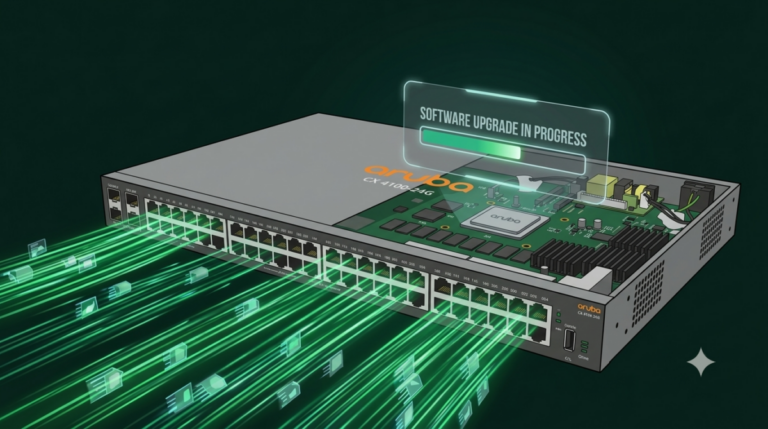
    One of the first perplexing moments you experience after joining a company as a network engineer is when a senior colleague says, “We’re going to update the switch firmware at 2 AM tonight, so get ready.” Whenever you update a smartphone or PC, you always have to reboot and become unusable for a few minutes. The same applies to network switches. To upgrade the firmware version, you have to turn the equipment off and on again (Reboot), and in the meantime…

  • [Monitoring with Icinga Part 1] Basic Integration with Icinga 2 – SNMP & REST API

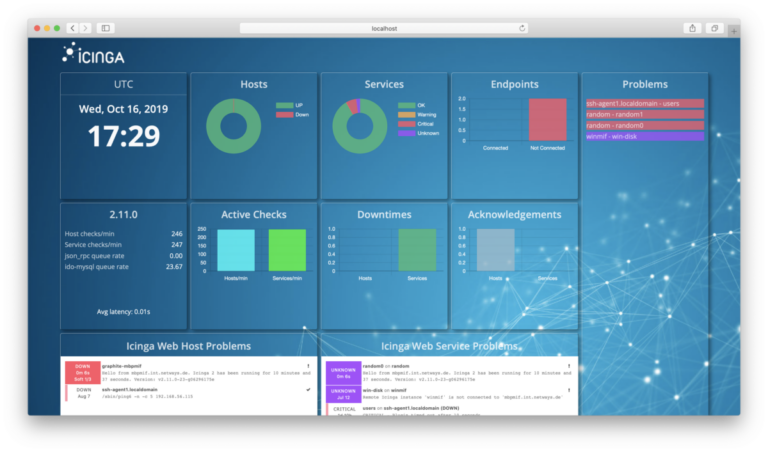
    1. Introduction: Infrastructure Monitoring, Why Icinga 2? When operating enterprise networks and infrastructure, Zabbix is by far the most familiar open-source monitoring tool to domestic engineers. Thanks to its intuitive web GUI, various basic templates, and an all-in-one environment consisting of a single package, it has established itself as the standard in numerous enterprise environments. However, the infrastructure operation paradigm is IaC (Infrastructure…

  • [ACP-DC Training #13] Spine-Leaf Architecture

    The Spine-Leaf architecture consists of Spine switches acting as the core, Leaf switches serving as the access layer, and numerous endpoints responsible for the data center's computing and storage resources. This structure is highly scalable, efficient, and optimized for low-latency communication, making it highly suitable for modern data center environments that require high-performance networks. The goal of a typical data center architecture, the Spine-Leaf architecture…

  • Complex data center networks? ‘Wizards' solve it!

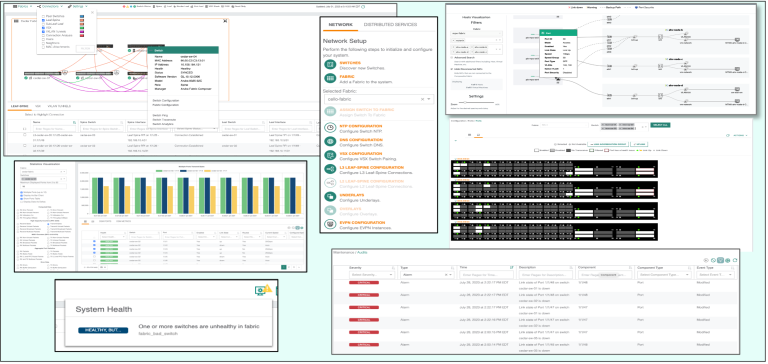
    Enterprise data centers have evolved into complex fabric structures, posing operational challenges for administrators. HPE Aruba Networking Fabric Composer simplifies this complexity and provides network automation and visual management capabilities, enhancing data center agility and operational efficiency.

  • [ACP-DC Training#11] Loop Prevention and LAG Implementation

    Data center design involves multiple layers of redundancy, extending from server NIC cards to uplinks and switches. While this redundancy is essential, it simultaneously increases the risk of network loops, broadcast storms, and network outages. Today, we will learn key technologies to prevent these risks and build high-performance, redundant L2 data centers. 1. Structure of a Collapsed Core L2 Data Center A data center is…

  • HPE Aruba Networking meets the F1 Mercedes team in an innovative way

    HPE has built a data-driven partnership with the Mercedes-AMG PETRONAS team to continuously improve vehicle performance. HPC and high-speed network solutions are used to reduce simulation time, deliver real-time data for continuous improvement, and ultimately provide a competitive advantage in racing.

  • Essential infrastructure for the AI era: CX 9300 Switches

    With the advancement of artificial intelligence and machine learning, 400GbE is becoming essential infrastructure for data center networks. The HPE Aruba Networking CX 9300 Switch meets the demands of AI workloads, and its integration with HPE systems maximizes efficiency and reduces operational complexity. This is the optimal solution for the future AI era.

  • New security as data center traffic patterns change

    East-west traffic has recently become increasingly important within data centers, driven by the proliferation of virtualization and cloud computing. This shift introduces security vulnerabilities and operational inefficiencies, necessitating microsegmentation and internal traffic control to ensure data center security.

  • Role-based zero trust environments

    Until now, our network security has been very static. We controlled traffic and strengthened security by creating security policies based on source IP addresses, destination IP addresses, and ports. However, times have changed. IP addresses are shifting to a DHCP environment, and it is becoming increasingly difficult for IT teams to control user devices, including personal terminals. In this environment, network security using existing security methods…