If there's one lesson we've learned over the past two years, it's that improving network agility and resiliency through a cloud-based management experience isn't just a "nice to have," it's "mission-critical.".
Managing networks on a site-by-site and device-by-device basis using scripts and CLIs has become a significant burden for IT operators. And now, providing a remote work environment is becoming the norm.
This means staffing requirements for new networks, more security concerns, and additional IT management constraints.
Now, as traditional offices and work environments emerge from lockdown, we're seeing an explosion of new IoT devices and bandwidth-intensive cloud apps and collaboration platforms being deployed on corporate networks.
Considering these requirements and challenges, it's no surprise that more than half of IT organizations have rapidly increased their investment in cloud-managed networking over the past year. Networking teams are turning to the cloud to accelerate the delivery of new services, consolidate infrastructure management, reduce costs, and gain better visibility when issues arise.
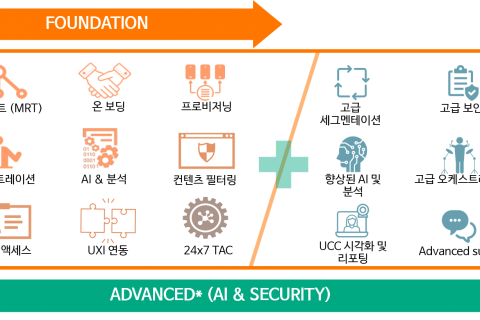
Aruba is making significant strides in cloud-managed networks with Aruba Central.
In this process, Aruba recently conducted a customer survey through TechValidate, which summarized some of the details.
Faster network deployment
Result (What?): 64% of Aruba Central customers surveyed reported reducing the time it took to deploy a new network or site by at least 50%.
Why is it important?As businesses recover from the COVID-19 pandemic, minimizing the time it takes to roll out new networks is essential. Whether for new deployments, replacements, or expansions, the faster a network is set up, the sooner businesses can capitalize on revenue-generating opportunities.
Factors that drove the results (How?)Customers using Aruba Central benefit from features like Zero-Touch Provisioning (ZTP) and GUI-based workflows, which help bring new network devices online faster. In fact, 96% customers surveyed said these configuration and provisioning features were either valuable or very important.
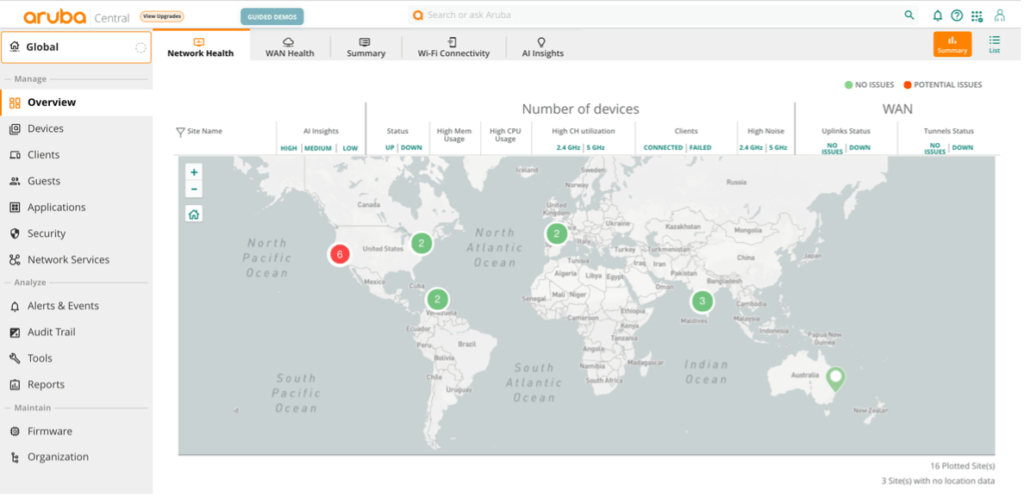
Reduce MTTR (Mean Time to Resolution)
Result (What?): 63% of Aruba Central customers surveyed reported a reduction in the time it takes to resolve network issues by more than 50TP3T. One-third of them reported an improvement of at least 75TP3T.
Why is it important?: 57% of the IT department's time is spent responding to or proactively preventing network performance issues. While these activities help maintain network health, they can significantly increase IT operating costs as engineers are distracted from other productive, value-added projects.
Factors that drove the results (How?)Aruba Central's AIOps capabilities and advanced monitoring and troubleshooting tools enable customers to detect and resolve issues more effectively. This enables them to improve network and application service levels and control costs.
In fact, 94% of respondents said that troubleshooting tools such as packet capture, dynamic logs, and live events are very important, while 96% said that Aruba Central's network and application health dashboards add significant value.
Reduction in IT issue tickets
Result (What?): 38% of the Aruba Central customers surveyed reported that the number of IT issue tickets they had to handle was cut in half.
Why is it important?According to Enterprise Management Association, 33% of network service issues are reported by end users. This means that businesses are impacted before IT departments have a chance to respond. Preventing issues before users report them can increase customer engagement and employee productivity.
Factors that drove the results (How?)According to a TechValidate survey, three-quarters of Aruba Central customers (76%) are already leveraging new AIOps capabilities like AI Insight and AI Search. These customers are realizing benefits such as proactively preventing issues and eliminating helpdesk tickets, adjusting network settings before problems occur, and receiving tips for improving overall performance.
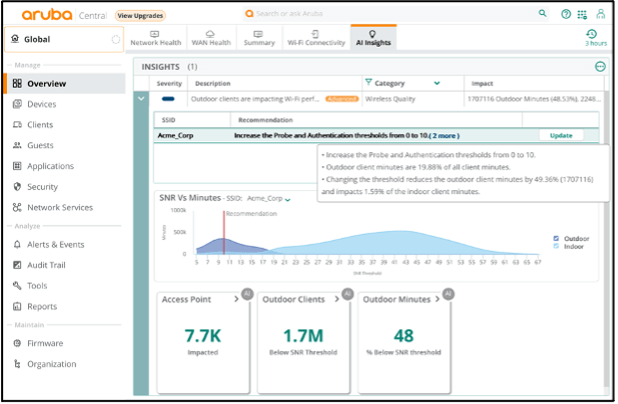
Quickly detect and resolve up to 90%.
Reduce rework and improve operational efficiency
Result (What?): Of the Aruba Central customers surveyed, 66% reported a reduction in errors (e.g., configuration issues) by more than 25%, and of those, 48% customers reported a reduction of more than half.
In the same vein, two-thirds of Central customers (66%) also responded that they can now complete network changeovers at least 50% faster.
Why is it important?: Manual errors remain the biggest cause of network performance issues and downtime. Whether completing firmware upgrades, changing port interfaces on switches, or onboarding new client devices and end-user groups, IT operators must move quickly without causing cascading impacts to the network.
Factors that drove the results (How?): Aruba Central empowers network operators with intuitive, centralized workflows, increasing IT productivity while significantly reducing configuration errors and rework.
Most notably, 96% customers reported that live upgrades were important or very important to eliminate downtime during firmware upgrades, while 93% customers valued Central's GUI-based configuration options, which make network configuration changes easier.
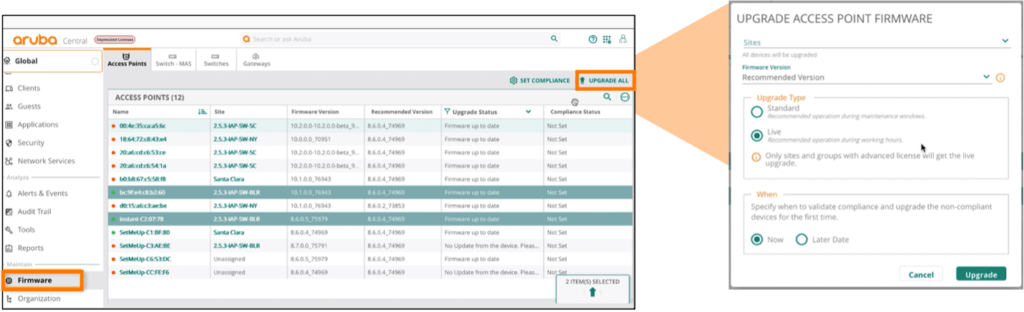
Helps you complete maintenance faster.
Significant network cost savings
Result (What?): Of the Aruba Central customers surveyed, 54% reported a reduction of more than 25% in network operating costs, with 32% of those customers reporting a reduction of more than half.
Why is it important?According to EMA, budget constraints were the top network operations challenge during the COVID-19 pandemic. While overall IT budgets are expected to increase slightly in 2022, the mantra of "do more with less" still rings true among many network infrastructure and operations leaders.
This means that reducing overall network costs is essential for most IT organizations.
Factors that drove the results (How?): This may sound like a cliché, but it's the result of an actual survey.
Aruba Central customers report significant operational improvements across the board, resulting in lower network costs. Reduced troubleshooting, increased staff efficiency, and improved network performance translate into lower IT spending and improved business profitability.
Transition to a cloud-managed network with Aruba Central
In conclusion, Aruba Central customers worldwide are significantly improving how they manage and optimize their networks, from day 0 provisioning to maintenance activities. Aruba customers spend less time on routine infrastructure management and more time delivering value to their business partners, employees, and customers.
Furthermore, Aruba Central customers report being prepared for the future. The 83% survey respondents said the solution offers innovative features at a reasonable cost, and the 81% agrees that it will successfully address their network management needs.
Over 120,000 customers worldwide are already using Aruba Central to streamline day-to-day operations, reduce costs, and improve IT efficiency. With many applications now being delivered as cloud-based SaaS, network management can also save time and money with Aruba Central.
※ Source: https://blogs.arubanetworks.com/corporate/the-roi-of-cloud-networking-as-reported-by-aruba-central-customers/