An analysis of numerous recent large-scale security breaches reveals that some are more lethal than cutting-edge hacking techniques. fundamental problemis revealed.
- Human Error: This occurs when excessive access to sensitive information is granted due to employee error or carelessness, or when security policies are set incorrectly.
- ‘Failure to adhere to the 'Principle of Least Privilege': While you should grant users, devices, and applications only the minimum access they actually need, granting broad permissions for convenience creates an environment where attackers can easily move (laterally) within the system.
These vulnerabilities, no matter how powerful the firewall or external security solution, are like laying a "highway" for attackers to penetrate the internal network. What is needed to address this issue is: ‘Zero Trust’ Architecture, and the most effective way to implement it is Dynamic Segmentation with HPE Aruba Networkingno see.
1. Why is ‘Zero Trust’ the only solution?
The traditional network security model is to ‘trust‘ internal users and ‘verify’ only external traffic. ‘Perimeter-based securityIt was.
But with remote work, the rise of IoT devices, and the proliferation of the cloud, network perimeters have already collapsed.
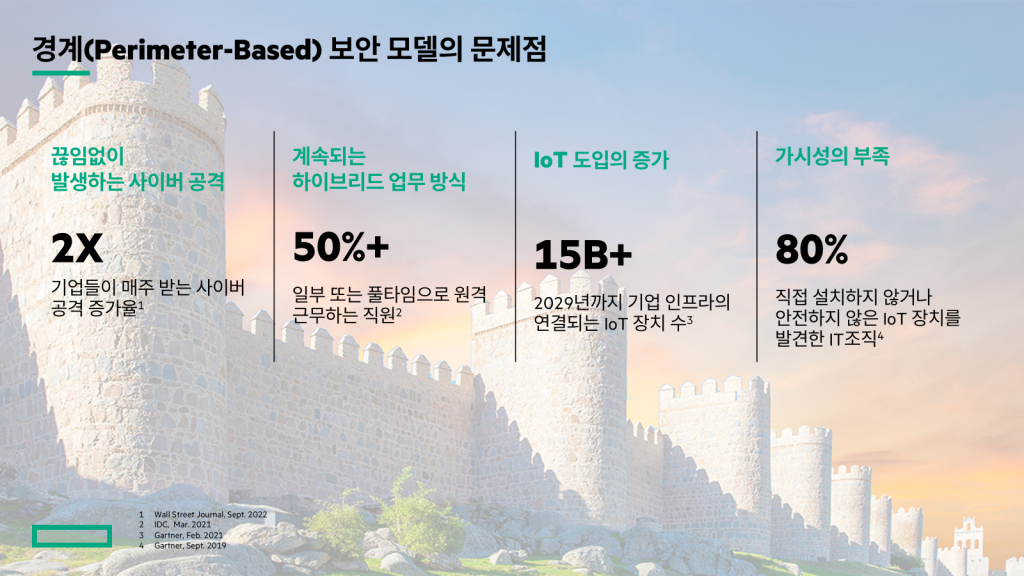
Zero Trust rejects this fundamental premise.
- All access validation: All access attempts must be thoroughly verified and authorized, regardless of where the user or device is accessing the network or where they are located.
- Side movement blocking: Even if one device or account is compromised, all communication must be blocked to prevent the attacker from easily moving to other areas within the network.
The problem is how to implement this complex and sophisticated zero trust policy in a complex enterprise network environment with tens of thousands of devices and users. Automate and Consistent The question is whether to apply it or not.
2. The core of zero trust: Dynamic Segmentation
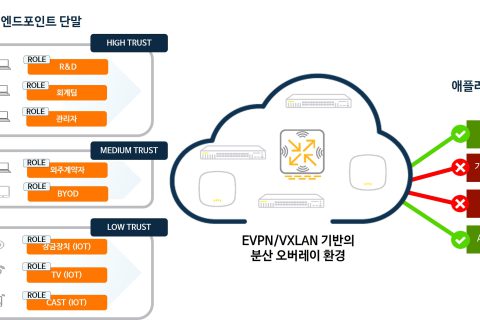
HPE Aruba Networking's Dynamic Segmentation allows you to assign access rights based on the 'role' of a user or device without changing the physical network configuration. Dynamic separationIt is a solution that does it.
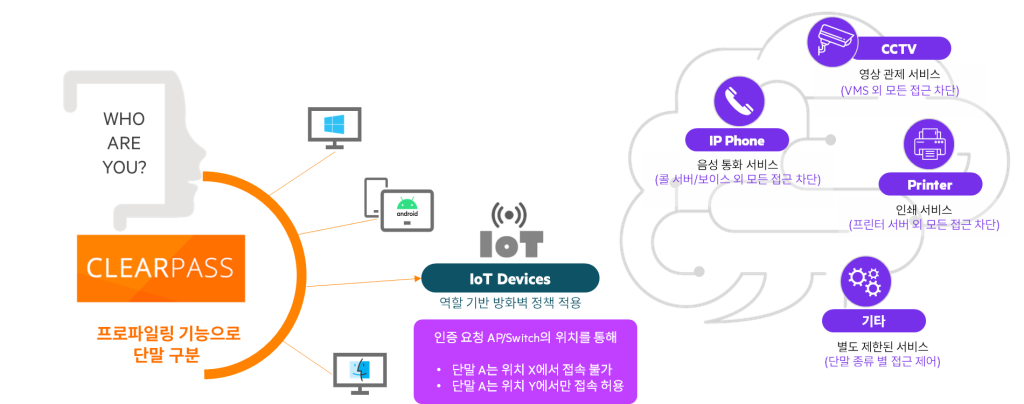
Core Operating Principles: A Concrete Example of Role-Based Access Control
The core of Dynamic Segmentation is Fix access control policy to 'user role' rather than 'access location (IP address)'It is what you are told.
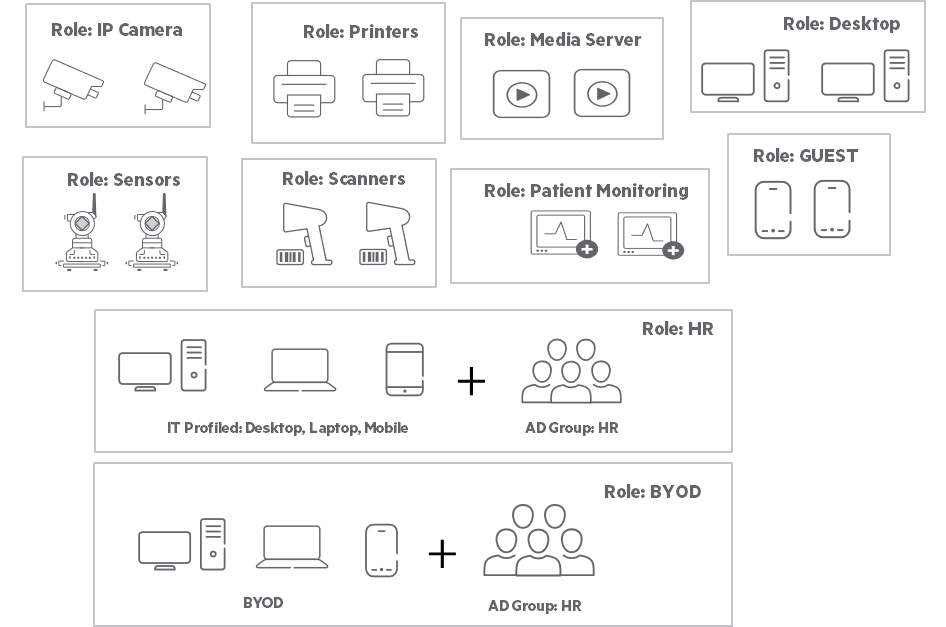
| Role | Who is allowed access | Access blocked target |
| HR staff | HR system, groupware, cloud HRM system | Accounting server, production line IoT device, development server |
| Sales team member | Customer Relationship Management (CRM) system, customer database | Human resources systems, production line IoT devices, and financial systems |
| IoT cameras | Video storage server (source), network management system | All other servers, employee terminals |
In this way, Dynamic Segmentation is used to connect all network connections. Minimum permissions based on roleBy limiting the attacker to one device, they can move to other critical areas. Blocks lateral movement at its sourcedo.
Automatic policy changes due to personnel transfers (the power of automation)
The real strength of Dynamic Segmentation is Automated policy consistencyis in.
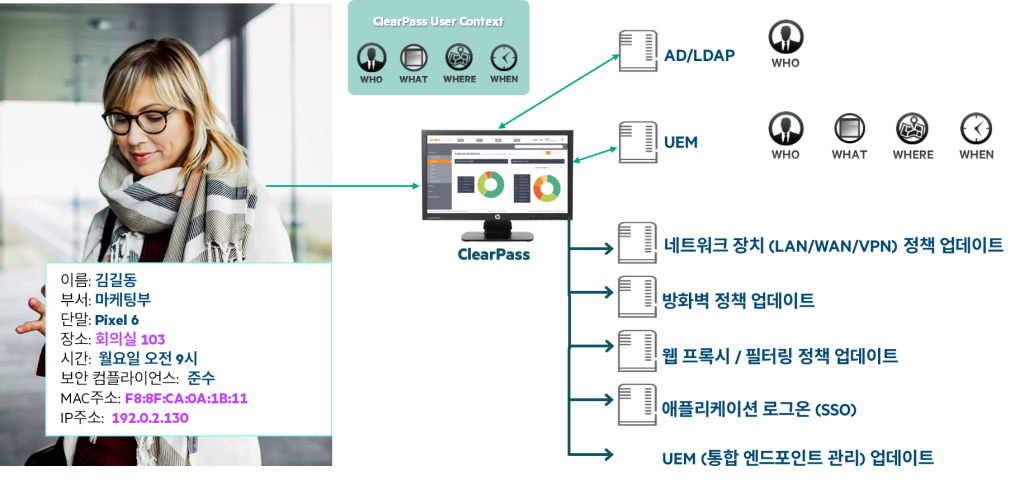
- [Before personnel transfer] The staff ‘'Human Resources Staff'’ When it comes to roles: The laptop is personnel systemis accessible but Sales ServerAccess is blocked.
- [Personnel transfer occurred] An employee moves from HR to Sales, and their role in the HR system (Active Directory, etc.) changes to 'Sales Team Employee'.
- [Automatic Policy Change] HPE Aruba's ClearPass Policy ManagerThis change is detected immediately and network access is granted even if the employee's laptop is disconnected or location is not changed. Automatically set the policy for 'Sales Team Members'Update to .
- result: The laptop is now Sales Serverbecomes accessible, Personnel ServerAccess to will be automatically blocked.
Like this So that policies follow automatically without manual intervention By doing so, IT managers human error Completely eliminates the possibility and simplifies network security management.
2. The 'Automation Engine' that Completes Dynamic Segmentation: NetConductor
If you have defined a policy with Dynamic Segmentation, you can apply this policy to all distributed networks, including wired, wireless, and WAN. Distribute consistentlydo Automated controlIt is to provide HPE Aruba Networking NetConductorno see.
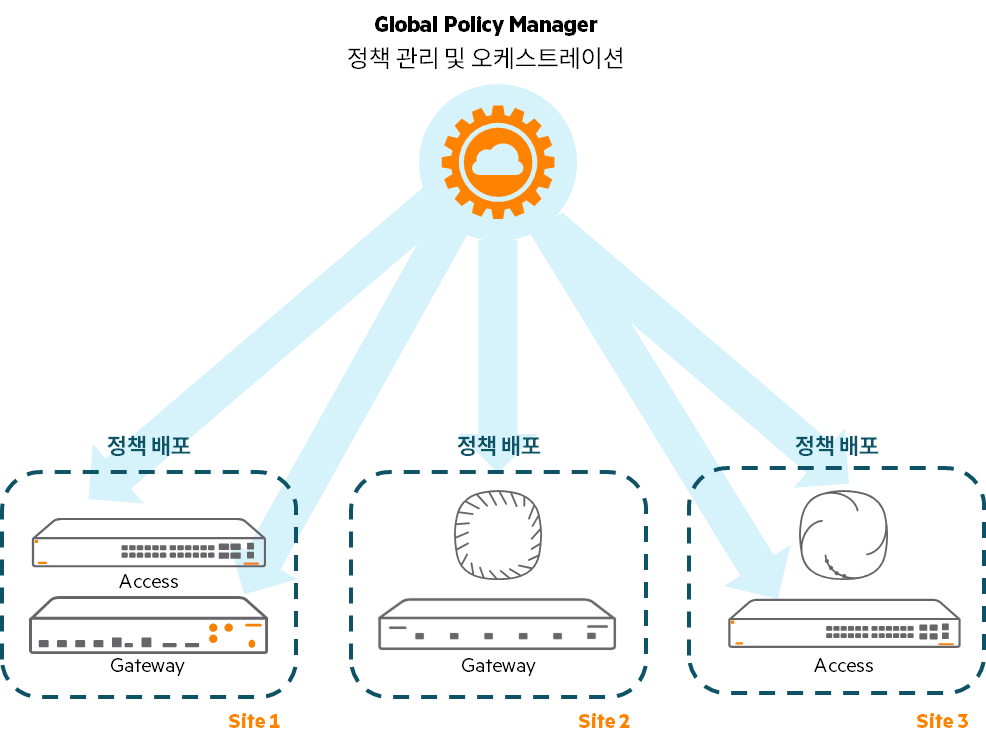
NetConductor is a feature of HPE Aruba Networking Central that defines Dynamic Segmentation. An orchestration platform that integrates and automatically deploys role-based policies.It works like this.
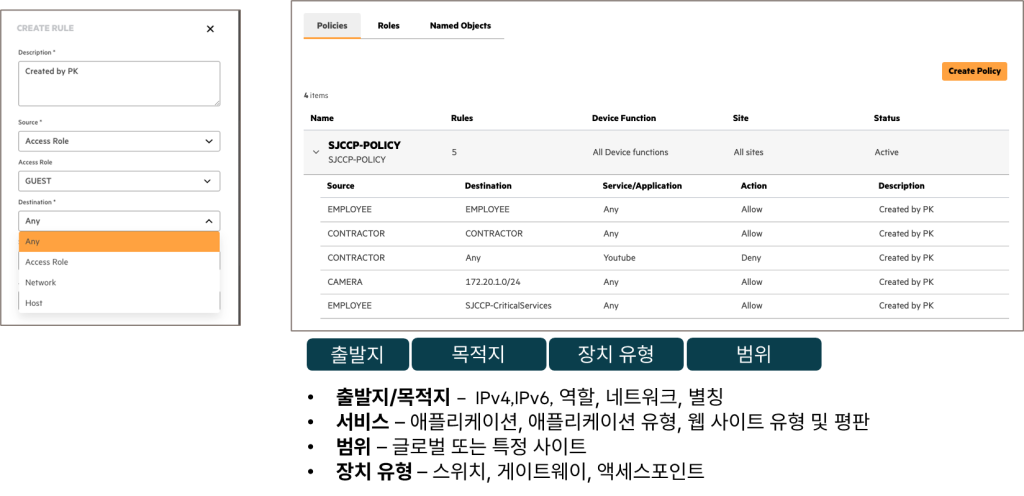
- Single point of control: Across all complexly distributed domains, including wired (campus/data center), wireless (Wi-Fi), and SD-WAN. Define security policies centrally oncedo.
- Ensure consistency: NetConductor is based on defined roles. Automatically and consistently apply policies across your networkThis is a security vulnerability due to policy inconsistency or human errorCompletely eliminates any possibility of this occurring.
- Maximize operational agility: Instead of complex network configurations, IT administrators:, ‘Role-centeredManage your network with , allowing you to quickly change policies and scale.
Conclusion: Simplicity Delivered by HPE Aruba Networking in the Zero Trust Era‘
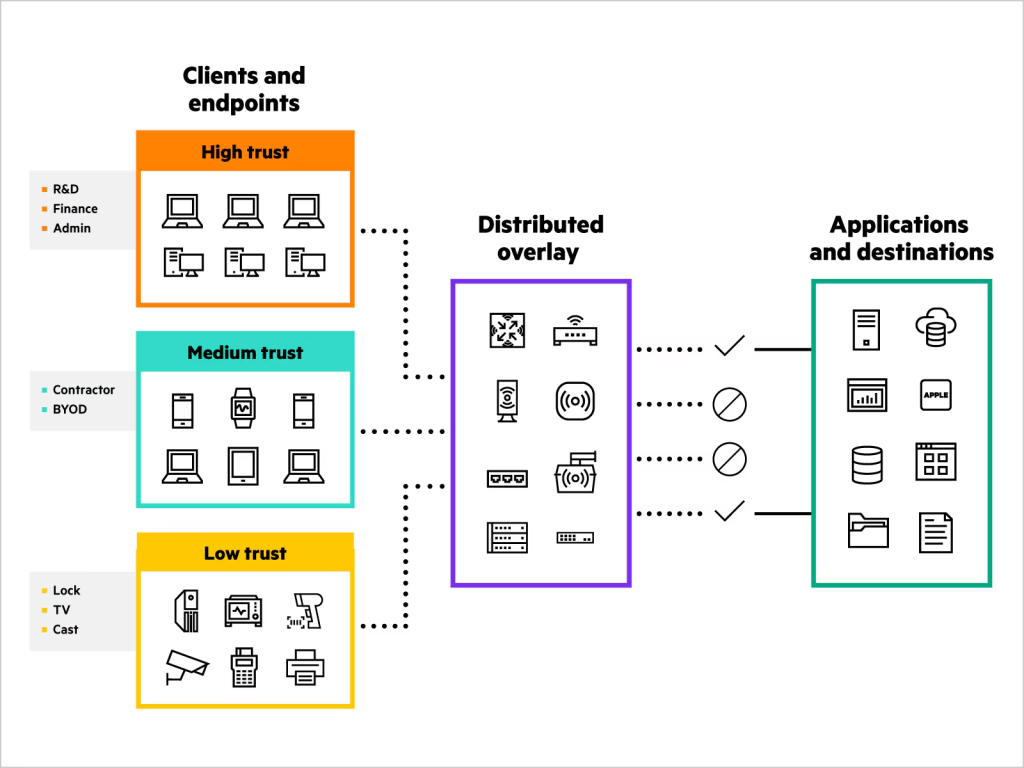
HPE Aruba Networking's Dynamic Segmentation과 NetConductorIt perfectly implements zero trust architecture. Human error and failure to adhere to the principle of least privilegeMinimizes the risk of security incidents caused by .
The more complex security becomes, the more vulnerable it becomes.
HPE Aruba Networking is Role-based automationWe simplify security and provide modern solutions that provide the most robust and efficient protection for your enterprise data and infrastructure.