tcp/ip

  • [ACSA Training #9] UDP Header

    In the last post, we looked at TCP. TCP and UDP are the representative protocols used in the Layer 4 transport layer. So today, let's take a look at UDP. If you look at the figure, you can see how simple the UDP header is compared to the TCP header. It has source and destination ports, which are used just like TCP, and only length and checksum fields. From an application's perspective…
  • [ACSA Training #8] TCP Header

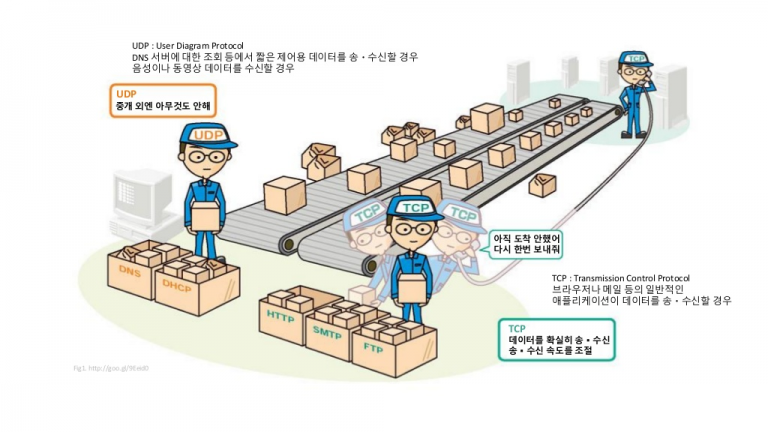
    In the last post, we looked at the IPv4 header at Layer 3 (Network Layer). Today, we will explore TCP and UDP, which can be found at the Transport Layer, Layer 4. 3-Way Handshake: First, before processing application data, TCP establishes a controllable connection to ensure reliable data delivery to the destination. Looking at the figure below, Host…

  • [ACSA Training #7] IPv4 Header

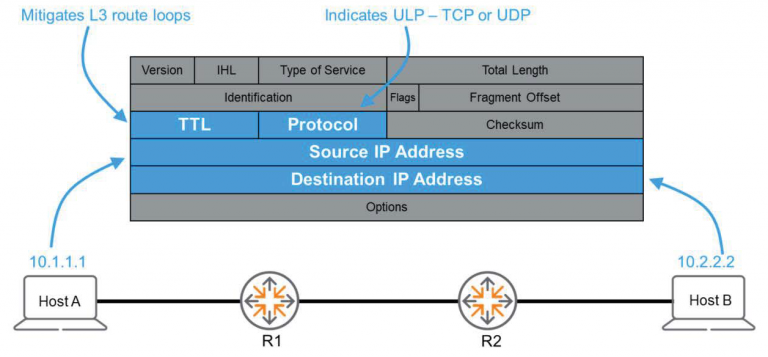
    The figure shows the IPv4 header information added to Layer 3 packets. The important fields in the header are as follows: TTL (Time To Live): This field indicates the validity period of the data as a method to prevent packet infinite looping at Layer 3. If routers are misconfigured, IP packets can circulate endlessly between two or more routers. This…

  • [ACSA Training #5] TCP/IP Stack

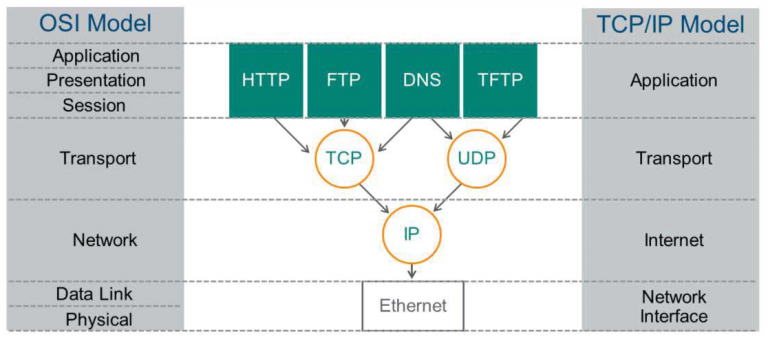
    The Internet Protocol Suite is a conceptual model and communication protocol used in the Internet and computing networks. Because the basic protocols of this suite are TCP and IP, it is commonly known as the TCP/IP Stack. This model provides end-to-end data communication. It specifies methods for data packetization, addressing, transmission, routing, and reception. The TCP/IP model is also compared to the OSI 7-layer model…