
Data Center Networking

  • [ACP-DC Training #13] Spine-Leaf Architecture

    The Spine-Leaf architecture consists of Spine switches acting as the core, Leaf switches serving as the access layer, and numerous endpoints responsible for the data center's computing and storage resources. This structure is highly scalable, efficient, and optimized for low-latency communication, making it highly suitable for modern data center environments that require high-performance networks. The goal of a typical data center architecture, the Spine-Leaf architecture…
  • [ACP-DC Training #12] Virtual Routing and Forwarding (VRF)

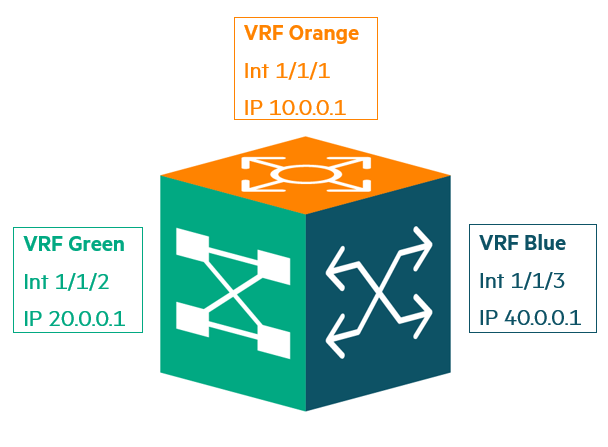
    Virtual Routing and Forwarding (VRF) is an L3 (Network Layer) isolation technology used to build a Virtual Private Network (VPN). VRF isolates routing tables from other VPNs within the system and enables the use of redundant IP addresses. In other words, VRF is a technology that allows multiple routing table instances to coexist simultaneously within a single router. Each…

  • Complex data center networks? ‘Wizards' solve it!

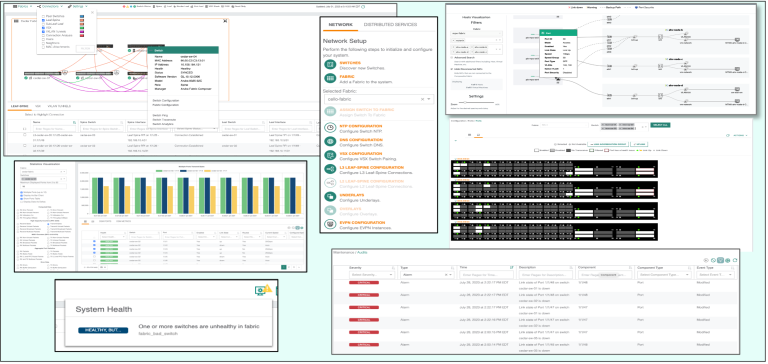
    Enterprise data centers have evolved into complex fabric structures, posing operational challenges for administrators. HPE Aruba Networking Fabric Composer simplifies this complexity and provides network automation and visual management capabilities, enhancing data center agility and operational efficiency.

  • [ACP-DC Training#11] Loop Prevention and LAG Implementation

    Data center design involves multiple layers of redundancy, extending from server NIC cards to uplinks and switches. While this redundancy is essential, it simultaneously increases the risk of network loops, broadcast storms, and network outages. Today, we will learn key technologies to prevent these risks and build high-performance, redundant L2 data centers. 1. Structure of a Collapsed Core L2 Data Center A data center is…

  • Essential infrastructure for the AI era: CX 9300 Switches

    With the advancement of artificial intelligence and machine learning, 400GbE is becoming essential infrastructure for data center networks. The HPE Aruba Networking CX 9300 Switch meets the demands of AI workloads, and its integration with HPE systems maximizes efficiency and reduces operational complexity. This is the optimal solution for the future AI era.

  • New security as data center traffic patterns change

    East-west traffic has recently become increasingly important within data centers, driven by the proliferation of virtualization and cloud computing. This shift introduces security vulnerabilities and operational inefficiencies, necessitating microsegmentation and internal traffic control to ensure data center security.

  • [ACP-DC Training#9] VSX (1)

    Today, the demand for network availability is ceaseless. Customers require networks that operate 24 hours a day, 365 days a year, and HPE’s VSX technology offers a solution to this problem. HPE Aruba Networking’s VSX technology is a virtualization technology for data center and core switches running on the AOS-CX operating system. This solution enables switches in critical areas to function as if they were a single virtualized…

  • [ACP-DC Training#8] 2-Tier Design for Small Data Centers

    Layer 2 two-tier designs are simple to deploy, operate, and troubleshoot because they utilize existing traditional protocols. They can be managed without specialized knowledge of overlay protocols or complex designs. This architecture is suitable for small to medium-sized data centers, but in larger environments, it can also be implemented at the data center POD level. In a two-tier data center, host information is traditional bridge…

  • [ACP-DC Training#7] Deploying Data Center Switches

    Deploying data center switches may look similar to installing campus switches, but there are unique aspects specific to data centers. In particular, data center switches often undergo a 'staging' process to prepare their configuration before being brought into the field. Today, we will take a closer look at what switch staging is and the two main provisioning methods. Switch Provisioning: The Challenge…

  • [ACP-DC Training #6] DCI and OOBM

    In the last post, we examined various data center network designs. We explained the characteristics of each design, along with their advantages, disadvantages, and architectural changes. This time, we will look at Data Center Interconnect (DCI), which connects data centers, and OOBM, which is a management network. Data Center Interconnect (DCI): A technology that connects multiple data centers. Everyone, it is common for customers to operate multiple data centers. These data centers are one…