The Spine-Leaf architecture consists of a Spine switch that acts as the core, a Leaf switch that acts as the access layer, and a data center's compute and
Continue reading
Ruban’s Easy Network Story: Beyond the Edge
The EASY EDGE story
The Spine-Leaf architecture consists of a Spine switch that acts as the core, a Leaf switch that acts as the access layer, and a data center's compute and
Continue reading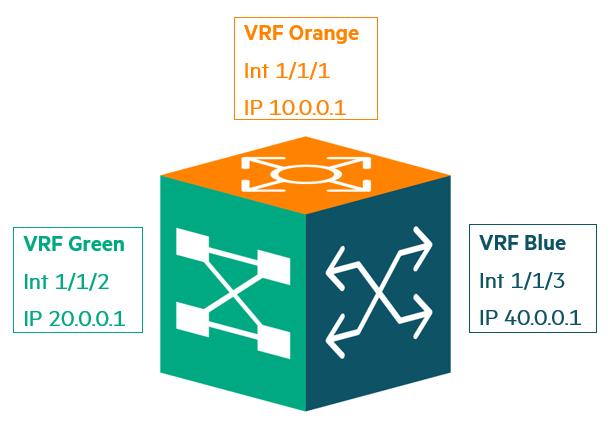
Virtual Routing and Forwarding (VRF) is an isolation technology at the L3 (network layer) used to build a virtual private network (VPN). VRF is a system
Continue reading
Data center design includes multiple layers of redundancy, starting from the server's NIC card to uplinks and switches. This redundancy is essential, but,
Continue reading
In the previous article, we learned about VSX, the virtualization technology of HPE Aruba Networking AOS-CX switches. The components of VSX and its relationship with VSF
Continue reading
Today's demand for network availability is relentless. Customers require networks that operate 24/7, 365 days a year, and HPE's VSX
Continue reading
Layer 2 two-tier design simplifies deployment, operation, and troubleshooting because it uses existing, traditional protocols. Overlay
Continue reading
Deploying a data center switch may seem similar to installing a campus switch, but there are some unique features unique to a data center.
Continue reading
Today, we'll be covering data center network architecture. When designing a data center, its purpose, size, and purpose are important.,
Continue reading
We have finally successfully completed the first step in building a data center network. Over the past few days, we have covered the basics of a data center network.
Continue reading
Last time, we talked about the robust hardware products of data centers. Physical equipment such as servers, storage, and switches are important.
Continue reading