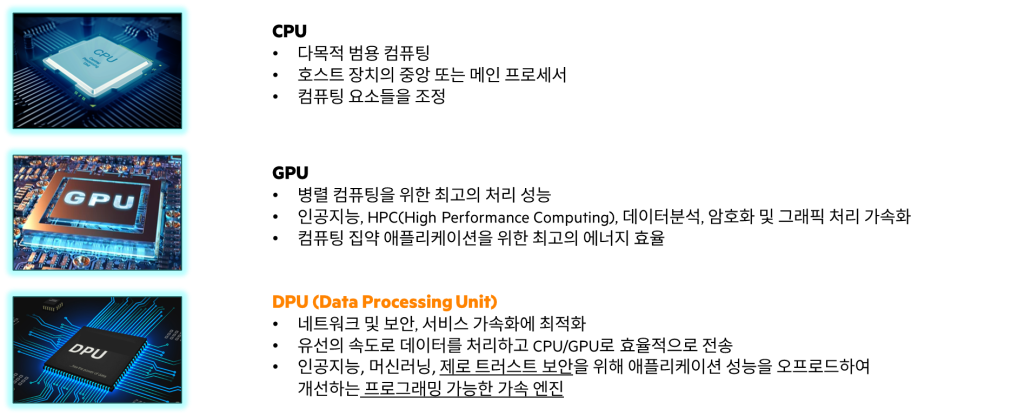
Data processing units (DPUs) are a new type of programmable processor that helps servers move data more efficiently, freeing up valuable CPU cycles and ensuring that services run reliably across data center networks.
As data centers continue to evolve, the combination of CPUs, GPUs, and DPUs will become a critical component in powering them.
The idea of adding dedicated processors to offload network workloads is not new.
Smart Network Interface Cards (SmartNICs) have been providing networking and security capabilities for many years.
One important difference is that SmartNICs are limited use cases or fixed-function devices.
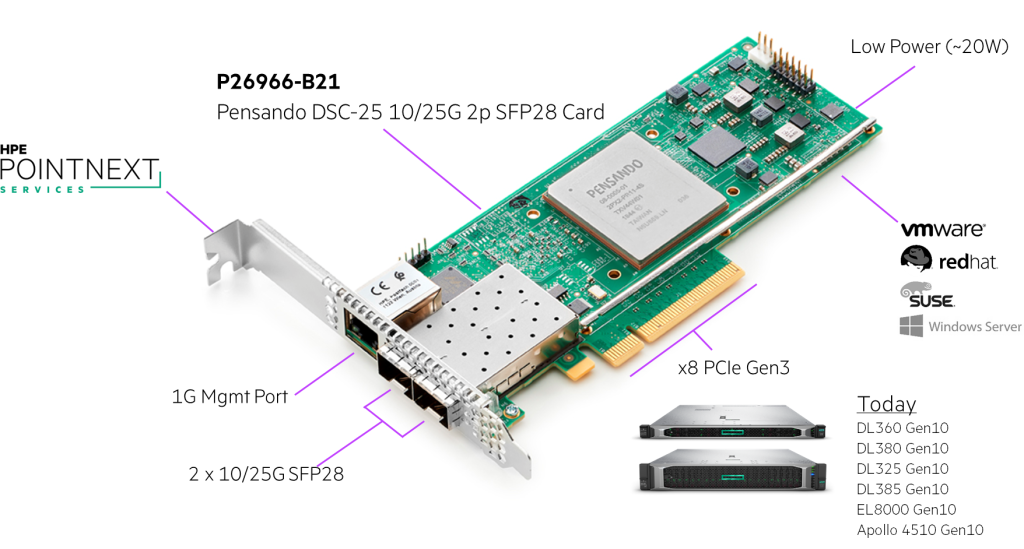
For example, you can purchase a SmartNIC to offload encryption and decryption from your server. While a SmartNIC improves encryption/decryption performance, it only goes so far.
If your requirements change or you want to add new features, you will need to open the server and replace it with a new SmartNIC with the desired features.
This is both costly and resource-intensive, making it operationally unfeasible for most data center operators.
Because the DPU is programmable, new features can be added through simple firmware updates. IT teams can now quickly achieve both performance and flexibility in a single package. The DPU already supports a wide range of features, including IPSec, NAT, stateful firewall, microsegmentation, and telemetry.
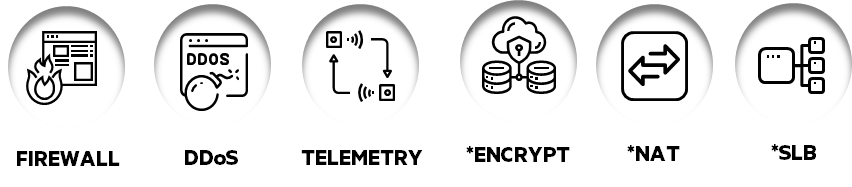
You've likely already witnessed hyperscalers realize significant efficiency gains by deploying DPUs and distributing critical functions across their infrastructure. This distributed model eliminates the need for dedicated hardware appliances and reduces power, cooling, and physical space requirements.
As you read this, you might be thinking, "That's great for hyperscalers, but what about me?" Smart switches offer an easy way to benefit from the DPU revolution without a full infrastructure upgrade.
DPUs and Switches: A Powerful Combination
Why should I put a DPU in my switch?
This combination is ideal for introducing modern distributed service models to enterprise data centers.
This model allows for software-defined and policy-based advanced segmentation and telemetry to be deployed inline, closer to the workload. This ultimately improves visibility and control over east-west (EW) traffic.
Not only does it eliminate the need for fiber taps and additional network infrastructure, it also reduces the costs associated with this approach, which only provides limited visibility.
Existing distributed service implementation method
Typical data center designs rely on complex engineering to centralize and route packet and data traffic across clusters of purpose-built appliances within the data center. This delays traffic flow and complicates network operations.
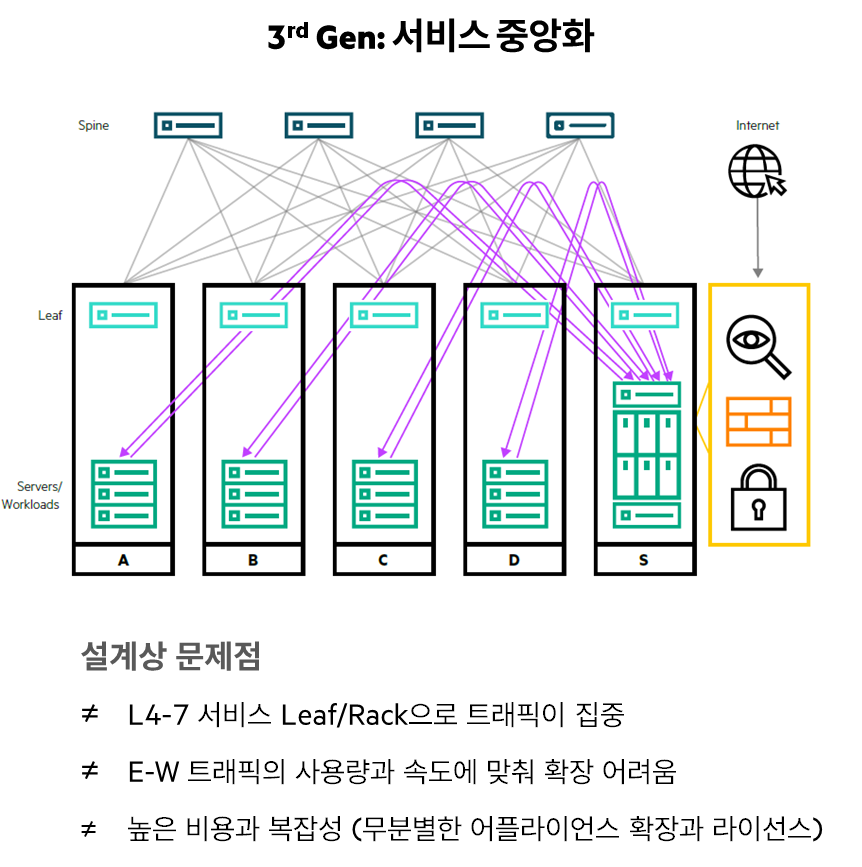
Alternatively, you can deploy a software agent to each server.
While this approach allows for the distribution of multiple services across the network fabric, it significantly increases management and costs, as all agents must be deployed, managed, and updated. Agents cannot be deployed everywhere, and even if they could, they consume server memory and CPU.
Considering licensing and management costs, this solution is expensive and out of reach for most people.
Distributed Data Center Management as a Service
In addition to physical hardware, HPE Aruba Networking delivers industry-leading software-defined networking (SDN) capabilities and management.
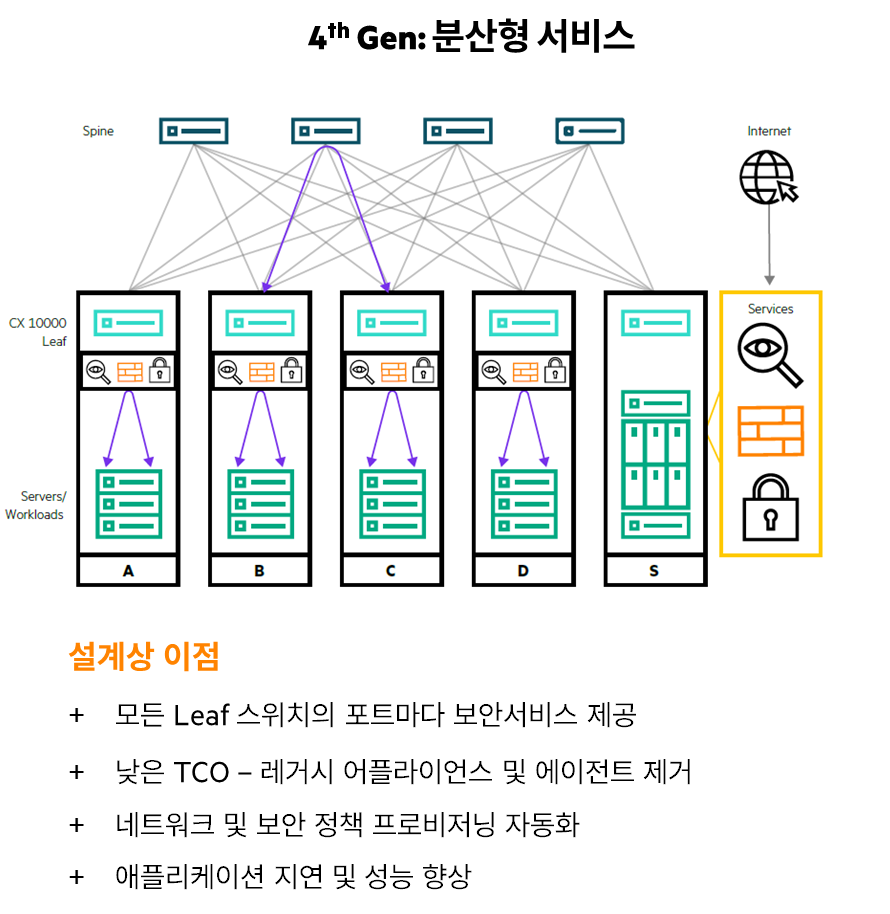
Network underlay, overlay, and distributed services technologies make deploying data center networks as easy as provisioning and managing routine operations (e.g., moving, adding, and deleting) on a system. There's no need to move VLANs, VNIs, or policies, and network and service properties move with workloads.
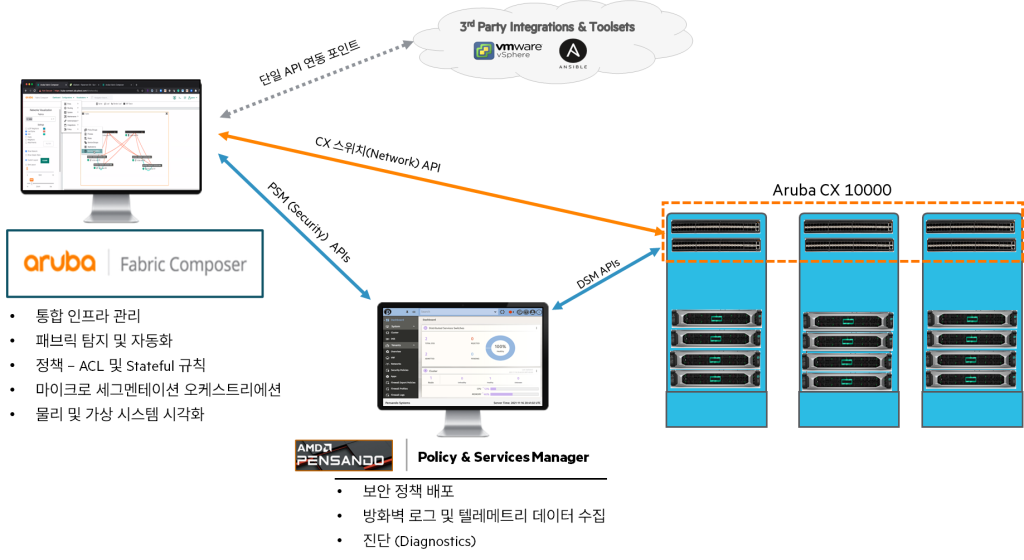
All of this is automated without user intervention.
Bringing DPU Innovation to Data Centers
DPUs extend the benefits of SmartNICs, such as load balancing and acceleration of key services, to high-performance, programmable silicon. DPUs have proven their performance in hyperscaler environments.
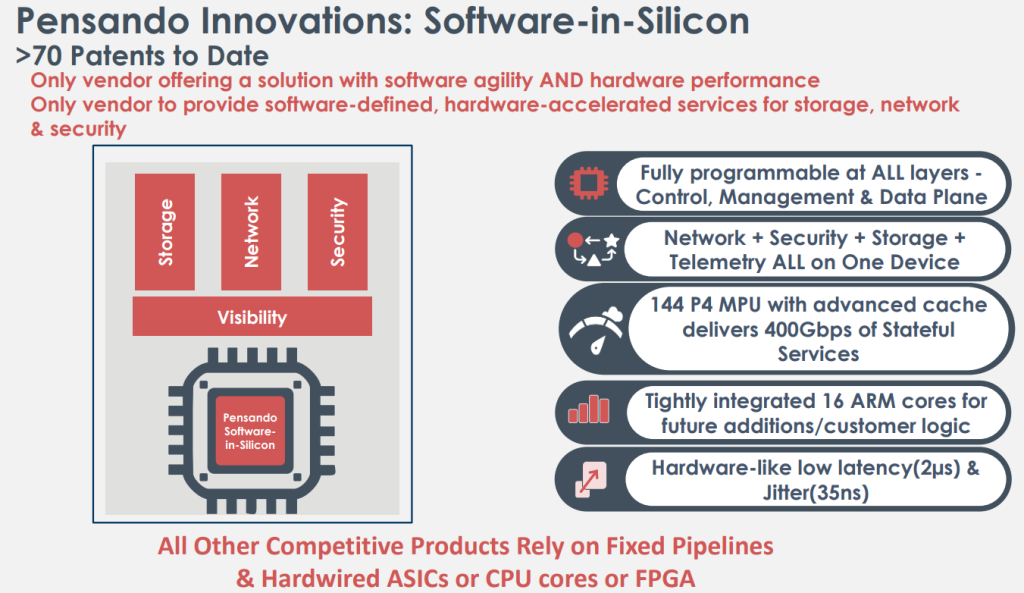
Now, you can transform your enterprise data center by bringing essential software-defined and policy-driven capabilities and services closer to workloads.
Meanwhile, the network can focus on its core business of delivering business data to where it's needed.
More information about DPU and HPE Aruba's switching technology leveraging this technology can be found at the link below.
https://www.hpe.com/us/en/aruba-networking-cx-10000-switch-series.html