

What is the role of NAC in the Zero Trust era?
Ramen with kimchi, pork belly with soju, chicken with beer…
There are many ways to eat each food, and they are delicious even when eaten separately, but there is no denying that some foods go better together and taste even better when eaten together.
In IT security, network access control and zero trust security are great on their own, but they're even better together.
Network Access Control vs. Zero Trust Security
Network access control and zero trust security are not the same thing, but they are related.
Zero Trust Securityis basically not trusted by any device or user. IT FrameworkInstead, each person must authenticate themselves to access only the resources necessary to perform their tasks or perform their functions.
We're talking about this paradigm, this principle, called "least privilege access.".
This trustworthiness, achieved through self-verification, is continuously monitored, and access may be restricted or revoked if any device or user exhibits unusual or suspicious behavior.
This is dynamically evaluated and limited Role-based securityhelps minimize and even prevent the spread of attacks.
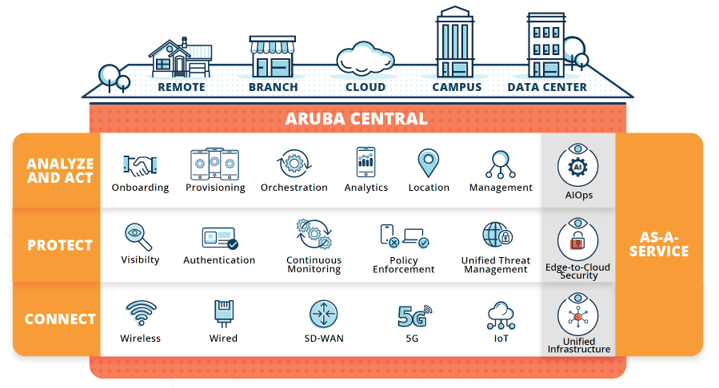
Network Access Control (NAC) The solution provides technology that implements a continuously monitored, least-privilege access model. The NAC solution comprises capabilities across multiple dimensions, including:.
- Visibility into who and what is trying to access your network
- User and device authentication against known profiles
- Write rules to translate business and functional intent into network access policies and conditions.
- Granting permissions to apply appropriate policies to users and devices
- Apply policies to allow, deny, modify, or revoke access
- Monitoring changes in user or device behavior
- Logging and reporting to provide accurate notifications and historical reports on user, device, and network activity.

NAC Uses in Zero Trust Security Environments
NAC solutions can be useful in addressing several security concerns within a zero-trust environment.
Let's look at some examples:
- Guest Access: sports stadium, amusement parks, retail stores, and other campus and branch visitors expect reliable Wi-Fi connections while they are in those spaces, but IT teams must ensure that untrusted users do not exploit network vulnerabilities or access certain restricted resources.
NAC solutions can provide simple workflows for visitor registration and appropriate levels of access. - Privacy and Compliance: Businesses and organizations are sometimes required to comply with data privacy obligations, such as the Health Insurance Portability and Accountability Act (HIPAA) and the General Data Protection Regulation (GDPR), which restrict access to sensitive data.
NAC solution is Only authorized users within the organization You can ensure access to sensitive information such as patient health records, payment card data, and personally identifiable information. - Internet of Things (IoT): More and more IoT devices, such as HVAC controllers, surveillance cameras, infusion pumps, and automated guided vehicles, are connecting to corporate networks. Because these devices can be used for cyberattacks, limiting their exposure to network resources is crucial.
NAC solutions provide visibility into IoT devices on the network., monitor the device's behavior, and isolate the device when it is compromised by an external attack.
Learn more
Learn more about our NAC solutions and how Aruba supports your Zero Trust security strategy through the resources below: