Edge Study

  • [ACP-DC Training#7] Deploying Data Center Switches

    Deploying data center switches may look similar to installing campus switches, but there are unique aspects specific to data centers. In particular, data center switches often undergo a 'staging' process to prepare their configuration before being brought into the field. Today, we will take a closer look at what switch staging is and the two main provisioning methods. Switch Provisioning: The Challenge…

  • [ACP-DC Training #6] DCI and OOBM

    In the last post, we examined various data center network designs. We explained the characteristics of each design, along with their advantages, disadvantages, and architectural changes. This time, we will look at Data Center Interconnect (DCI), which connects data centers, and OOBM, which is a management network. Data Center Interconnect (DCI): A technology that connects multiple data centers. Everyone, it is common for customers to operate multiple data centers. These data centers are one…

  • [ACP-DC Training #5] Data Center Network Architecture

    Today, I would like to discuss data center network architecture. When designing a data center, many factors are considered, such as its purpose, size, and future scalability. The architecture is then designed to align with these factors, taking into account available budget and time. Let's explore the different architectures available, as well as the characteristics, advantages, and disadvantages of each. 1-Tier Design 1-Tier…

  • [ACP-DC Training #4] Building a Data Center Network

    We have finally successfully completed the first step of building the data center network. Over the past period, we have understood the basic overview of the data center network and secured sufficient important resources and materials, namely the necessary products (hardware) and technologies (protocols). This process can be likened to an architect understanding blueprints and preparing the required materials before constructing a building. From now on, we will actually utilize these prepared resources to…

  • [ACP-DC Training #3] Data Center Technology

    Last time, we discussed the robust hardware products of data centers. While physical equipment such as servers, storage, and switches are important, what truly makes a data center 'smart' are the various technologies running on top of this hardware. Simply put, data center technology refers to the various protocols configured on switches. These protocols efficiently [manage] the applications and workflows that are the core of the data center…

  • [ACP-DC Training #2] DCN Products and Specialized Technologies

    Continuing from last time, this time we will cover HPE Aruba Networking DCN products and technologies related to data center network deployment. As this module serves as the starting point of the process, you must be able to select appropriate products and deploy them in a design suitable for your data center. We will examine various HPE Aruba Networking products and explain the technologies required for DCN. Inflexible, outdated existing infrastructure…

  • [ACP-DC Training #1] Introduction to Data Center Networks

    The HPE Aruba Networking Certified Professional – Data Center (ACP-DC) certification tests the knowledge and skills required to design, deploy, and manage secure, scalable, and resilient high-performance data center network infrastructure based on HPE Aruba Networking data center products. New, simplified, scalable, and automated for virtualized computing, storage, and the cloud…

  • How to migrate to AOS 10 and what to keep in mind

    It has already been nearly five years since HPE Aruba Networking introduced AOS 10 as its next-generation wireless network operating system. A significant number of Aruba wireless LAN users are currently using an architecture based on AOS 8. However, since the new Wi-Fi 7 access points only support the AOS 10 operating system, it is now time to consider migrating to the new operating system. Always moving to a new operating system…

  • Improve network visibility with CX switches

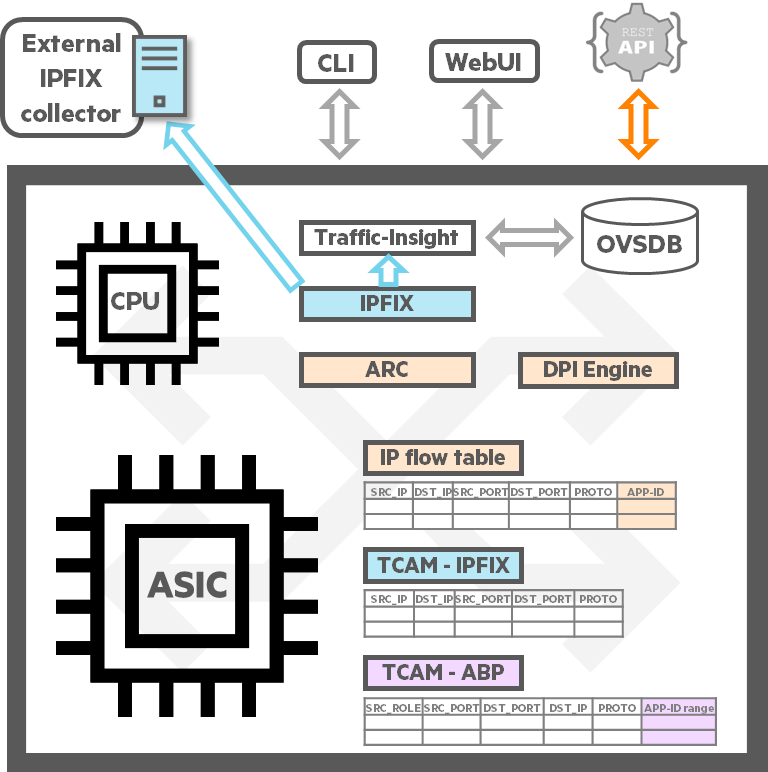
    With the recent increase in the complexity of IT infrastructure, more and more devices are being connected to networks. For network operators, the biggest challenge is determining which equipment is connected where and what actions it performs. For this reason, many observability solutions are being introduced to provide visibility and visualization. Today, even without implementing and deploying a separate solution, visibility into network traffic…