In an era of frequent security breaches, why is our zero trust failing?
2025, a year marked by numerous large-scale incidents and accidents, marks a critical turning point for us.

Zero Trust is no longer a marketing term or a vague philosophy.
Leaders running organizations now readily agree that identity-centric least privilege is the only right answer, rather than the implicit trust model that says, "Internal users are safe.".
With the proliferation of cloud computing and the rise of remote work, the philosophy of "trust no one, always verify" is becoming common sense in corporate security.
But what is the reality? The recent large-scale security incidents occurring both domestically and internationally still leave us perplexed.
While some companies have reduced their attack surface and increased resilience, many still operate with an "old perimeter security model" hidden behind "modern terminology," incurring significant costs.
Many companies have adopted the latest security solutions, touting zero trust, but why do accidents continue to occur?
The reason is that we have zero trust. ‘Products to be introduced’Because I only saw it as .
To close this gap, we must reflect on three crucial lessons learned from 2025 and develop strategies for 2026.
Lesson 1: Zero Trust is an operating model, not a security product.
The biggest mistake of 2025 will be treating zero trust as a "security task" to be completed within a specific timeframe.
Buying a security solution doesn't make zero trust complete.
Zero Trust is not just a security project; it's a cultural shift in approach and an operating model.That is the point.
- Cause of failure: Organizations that dismissed zero trust as a mere solution failed to translate the strategy into reality.
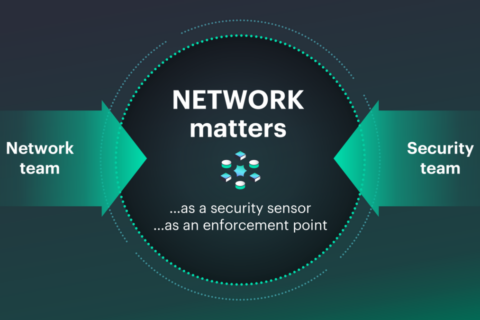
Security Teamcreated the policy, but had no authority or operational contact to enforce it.
Infrastructure Teamwas left out of the architectural discussion and was forced to control.
Field departmentIt requests exception handling, saying that work becomes inconvenient, and eventually a security hole occurs.
The result is friction, delay, and Formal introductionThat was it. - Patterns of Success: Access itself is one Service Operation ModelIt is a company established as .
The entire process, from when a user joins the company until they leave, and from when equipment is connected to when it is disconnected, is implemented according to zero trust principles.
The "rapid adoption" culture unique to Korean companies can sometimes be toxic.
In 2026, the question should not be, "What products should we buy?" but rather, "How can we automate and continuously verify all of our company's access authorization processes?" This shift in operational thinking should be addressed first.
Lesson 2: Identity is the new security boundary.
By 2025, one undeniable technological fact has been confirmed: network firewalls are now irrelevant.
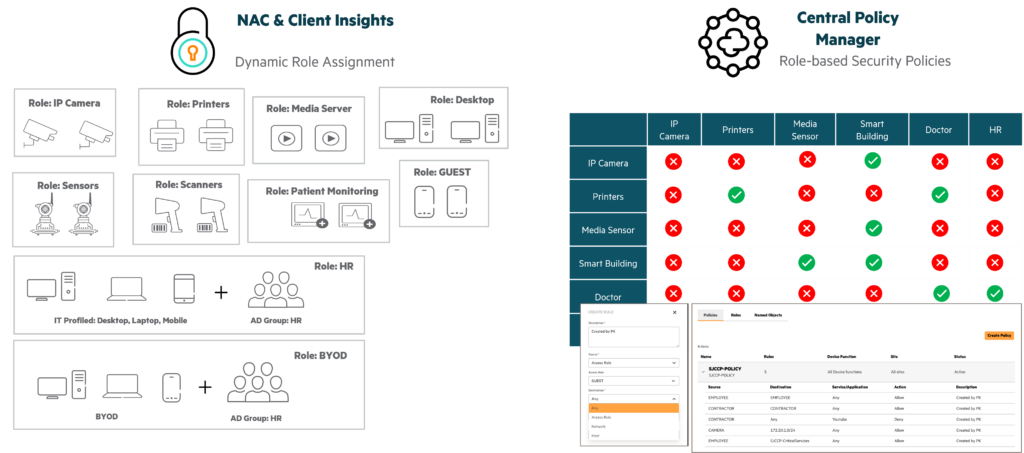
In an era where network boundaries have disappeared, no matter where the user is or what device they are using, Who he is (Identity)is the only means of control.
- Exposed weaknesses: In 2025, the cause of many accidents was 'unmanaged accounts'.
In addition to humans, non-human accounts (machine identities) such as APIs, authentication keys, automation scripts, and cloud workloads have become far more numerous than human users, creating a conduit for attackers. - Security Blind Spots: These accounts, which are poorly managed, out of circulation, and granted excessive privileges, have ultimately become the main culprits behind the recent spate of domestic security incidents.
- Strategy for 2026: Strong authentication (MFA) that is phishing-resistant is a given.
Going further, from account creation to account deletion Automated Lifecycle Managementis required.
Privileges should be granted 'least privileged'.
Recent domestic accident response points: Most recent account takeover incidents have exploited weak authentication procedures.
In 2026, developers and partner employees ‘Clean up 'excessive authority'It is urgent to settle the ‘identity debt’.
Lesson 3: Static trust is collapsing. Shift to "adaptive trust."
Trusting someone once you've authenticated them is not zero trust.
Like VPN or firewall rules Once you enter, you can freely roam around the interior.This is the trap of ‘static trust’.
- Earned Trust: Now, trust is not something that ends once it is earned, Must be constantly acquired and re-evaluated do.
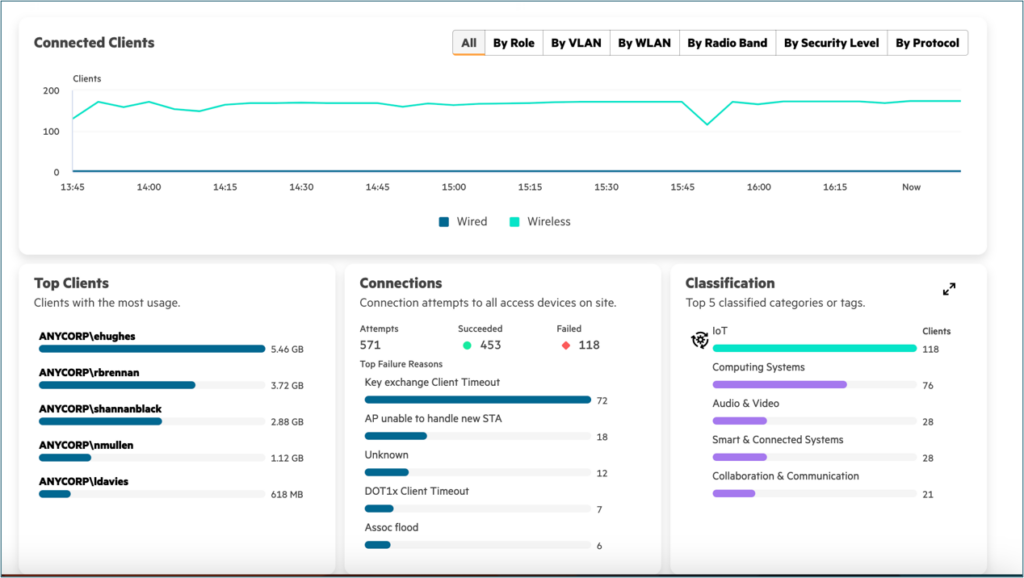
You need to monitor in real time whether a user's location has suddenly changed, whether a device is out of compliance due to an unpatched security policy, or whether sensitive data is accessed at unusual times. - Adaptive Response: When red flags (location, time, usage patterns, etc.) are detected, access should be blocked immediately or additional authentication should be required.
“Breaking away from the dichotomous thinking of ”allow or block”, Adjust reliability according to the situationIntelligent security is required.
A model that adjusts policies in real time minimizes the attacker's penetration range (Blast Radius Reduction) while reducing security friction for legitimate users.
Action Plan for 2026: “You need to ask yourself, ”How quickly can I restrict access when a threat is detected?”.
The future of 2026 isn't about more authentication pop-ups.
We need to move towards "smart execution," where systems fade into the background when conditions are normal and react dynamically only when abnormalities arise.
The Difference Between Mature and Stagnant Organizations in 2026
In 2026, the winner of zero trust will not be who announces the most ambitious architecture, but who will Make access safer, faster, and simplerIt will vary depending on the situation.
- Platformization: Ditch fragmented tools and converge on a unified policy engine and identity service.
- Proof of Business Performance: Don't just look at the number of accidents that didn't occur.
Go beyond security metrics and measure success with user onboarding speed and business agility. - Clarifying Responsibilities: Security isn't just the job of the security team.
Accountability for access control between data owners and infrastructure operators will define an organization's security maturity.
In closing: "Zero Trust is our way of doing things."“

The lessons of 2025 are clear: implementing zero trust solutions is easy, but making them work properly is difficult. Successful companies in 2026 won't be presenting zero trust as a grand strategy.
instead “How things work here”I would say.
Only when security becomes a natural part of business operations can Zero Trust truly deliver on its promise.