The dramatic shifts in the remote work and cybersecurity landscape in recent years have forced organizations to reevaluate their reliance on traditional VPNs.
Written by Cyber Security Insider in collaboration with HPE Aruba Networking 2024 VPN Risk ReportIn this paper, we delve into the issues surrounding VPNs and highlight the growing shift towards Zero Trust Network Access (ZTNA) as a more secure and efficient alternative.
The Limitations of VPNs in the Modern Workplace
VPNs have long been used as a remote access solution for transmitting data between remote users and corporate networks through a secure tunnel.

However, it highlights several important limitations that arise as organizations transition to a distributed and rapidly changing work environment, including remote working.
- Security Vulnerabilities: A whopping 92% of survey respondents expressed concerns that VPNs could compromise their ability to maintain a secure environment. VPNs Because it often provides extensive access to corporate networks. If a malicious attacker compromises your VPN, Nearly unrestricted access to sensitive data and systems This broad access model is at the heart of modern cybersecurity practices. Conflict with the principle of least privilegeIt will work.
- User dissatisfaction: According to the report, the user's 81% Problems such as slow connections and frequent disconnectionsUsers are dissatisfied with their VPN experience due to these reasons. This poor user experience impacts productivity and further compromises security by increasing the likelihood of users seeking unsafe workarounds.
- Management Complexity: VPN management can be complex and resource-intensive. For example, your organization's 65% operates three or more VPN gateways to support remote users. The management burden on the IT team is significant.This complexity is Configuration errors and oversight lapses can further increase security risks. there is.
- Scalability issues: To meet these demands as organizations grow and their remote workforce expands, Scaling VPN infrastructure is becoming increasingly difficult. The high costs associated with scaling and maintaining a VPN, as well as its inherent limitations, make it an unsuitable solution for large, dynamic enterprises.
The Rise of Zero Trust Network Access (ZTNA)
The limitations of VPNs have led many organizations to turn to more robust solutions for secure remote access. Select ZTNAI am doing it.
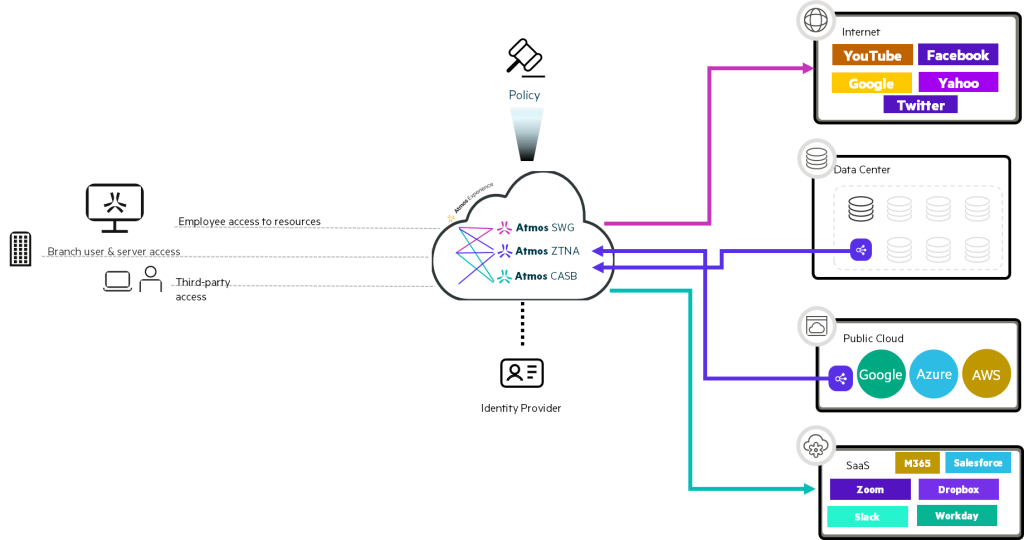
ZTNA is “Never trust, always verify.”It operates on the principle that all access requests are consistently authenticated and authorized based on various contextual factors.
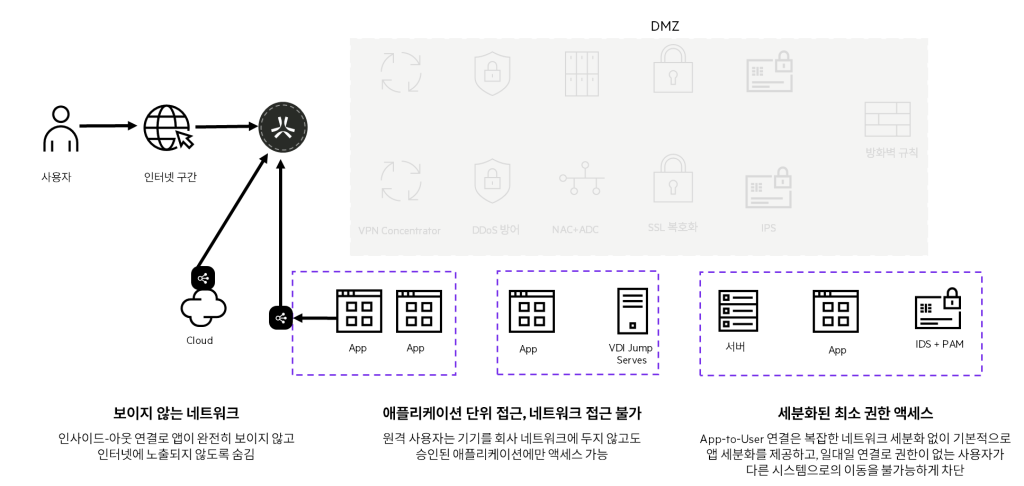
- Enhanced Security: Unlike VPN ZTNA applies fine-grained access control to ensure users have access to only the resources necessary for their role.This minimizes the attack surface and reduces the risk of lateral movement within the network in the event of a breach. According to the report, 75% organizations prioritize zero trust and recognize its potential to enhance security in distributed work environments.
- Improved user experience: Unlike performance issues related to VPNs, ZTNA solutions are designed to provide seamless access to applications regardless of the user's location.This leads to increased user satisfaction and productivity. By leveraging a cloud-native architecture, ZTNA can provide a more stable and faster connection than traditional VPNs.
- Simplified management: ZTNA centralizes policy enforcement and leverages automated tools for monitoring and threat detection. Reduce the complexity of remote access management. This streamlined approach allows IT teams to focus on strategic initiatives instead of routine maintenance tasks.
- Scalability and Flexibility: ZTNA solutions are inherently scalable and suitable for organizations of all sizes.It can easily accommodate a growing number of remote users and integrate with various cloud services and applications. This flexibility is crucial as more companies adopt hybrid and multi-cloud environments.
The Future of Remote Access
The 2024 VPN Risk Report presents compelling evidence that the era of VPNs as the primary solution for remote access is coming to an end.
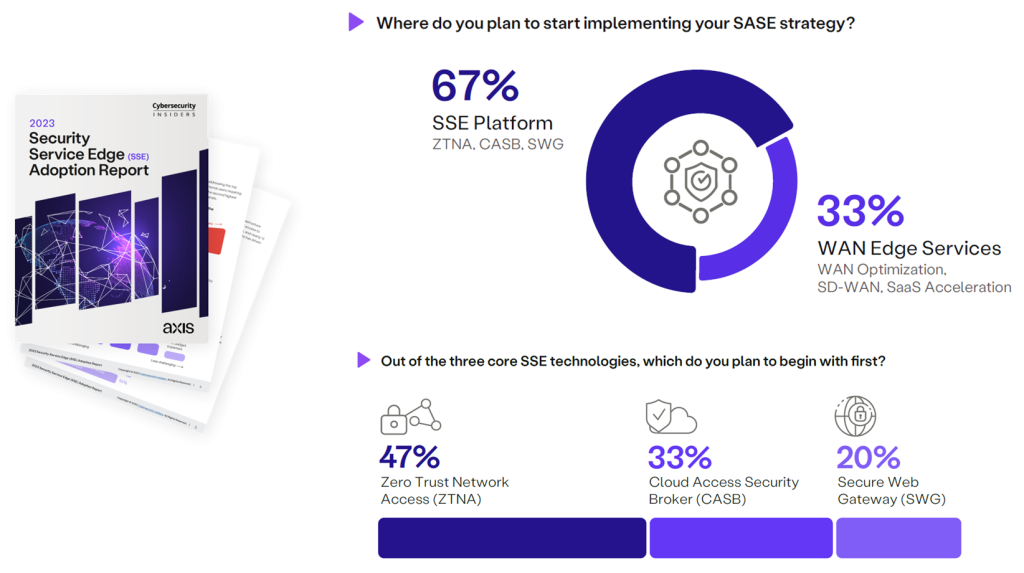
This shift is already underway, as 59% organizations responded that they have implemented or plan to implement ZTNA within the next two years.
As cyber threats evolve and the demand for secure and efficient remote access grows, enterprises must reassess their current strategies and consider modern solutions like ZTNA. This shift strengthens security and aligns with broader digital transformation goals of agility, scalability, and user-centric design.
The conclusion is...
Insights from the 2024 VPN Risk Report highlight a critical inflection point in remote access and cybersecurity.
It highlights the need for a more pragmatic approach to VPN-related issues, including security vulnerabilities, poor user experience, management complexity, and scalability issues.
ZTNA is emerging as a compelling alternative, offering enhanced security, improved user experience, simplified management, and increased scalability.
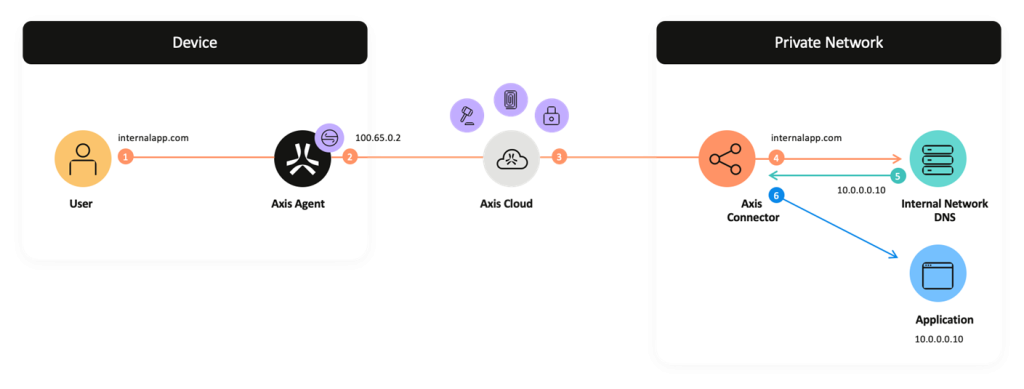
The introduction of ZTNA will be the cornerstone of a modern cybersecurity strategy that ensures robust protection in an increasingly interconnected world.