Many companies today use VDI environments for remote access and network isolation.
Whether it's employees trying to access individual resources for their daily work, a recent merger or acquisition, or accessing third-party resources, the goal is simple.
Popular VDI technologies include on-premises VDI solutions like Omnissa Horizon and Citrix XenDesktop, or Desktop as a Service options like Amazon Workspaces and Windows Virtual Desktop.
HPE is 2025 SSE Implementation Reportanalyzed proprietary survey data from 713 IT and cybersecurity leaders to explore their organizations' approaches to SSE and SASE adoption, challenges, priorities, and deployment strategies.
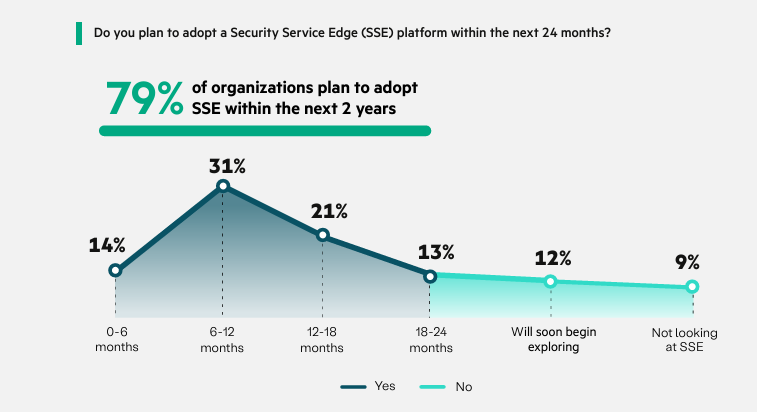
According to the survey, 79% of enterprises plan to implement a Secure Service Edge (SSE) platform within the next two years, and 46% plan to begin SSE deployments with Zero Trust Network Access (ZTNA) technology.
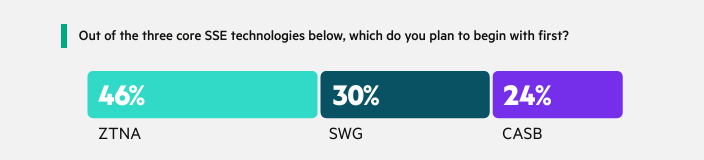
However, when considering SSE deployment, the following common questions also come to mind:.
- SSE VDI SubstituteCan you do it?
- SSE VDI SupplementCan you do it?
Before answering these questions, the most important thing to consider is understanding the different ways VDI is used today.
Here are seven common use cases for VDI technology:.
- Granular access – Implement access control based on the principle of least privilege for key business resources.
- Gain visibility into your traffic – Route traffic through on-premises security appliances using VDI
- Data Loss Prevention – Ensures sensitive data is stored within the corporate environment while preventing it from being stored on users' devices.
- Managing your desktop environment – Provides a seamless desktop experience and allows connection from various user devices via browser
- License Optimization – VDI allows for a host pool, which is a collection of one or more identical virtual machines, instead of a license for every user.
- Data Optimization – Improved latency or delay due to client-server connections
- Support for existing applications – Support for legacy protocols (e.g. Windows 2003)
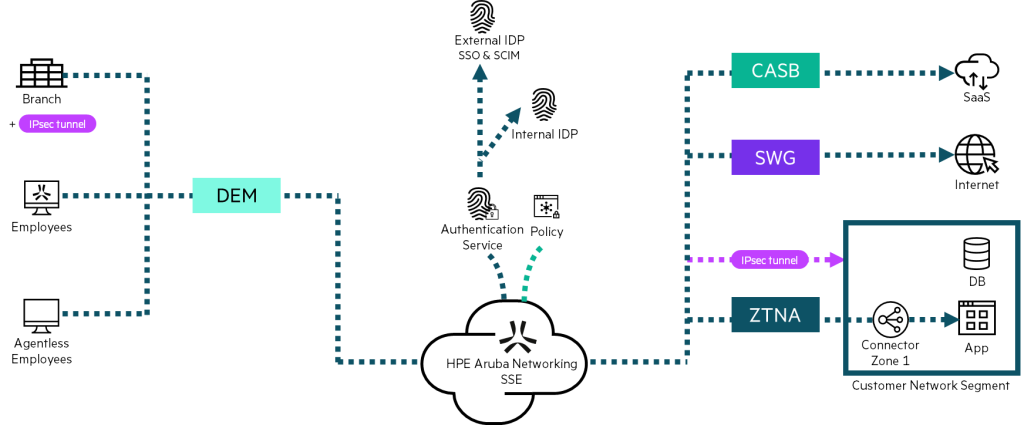
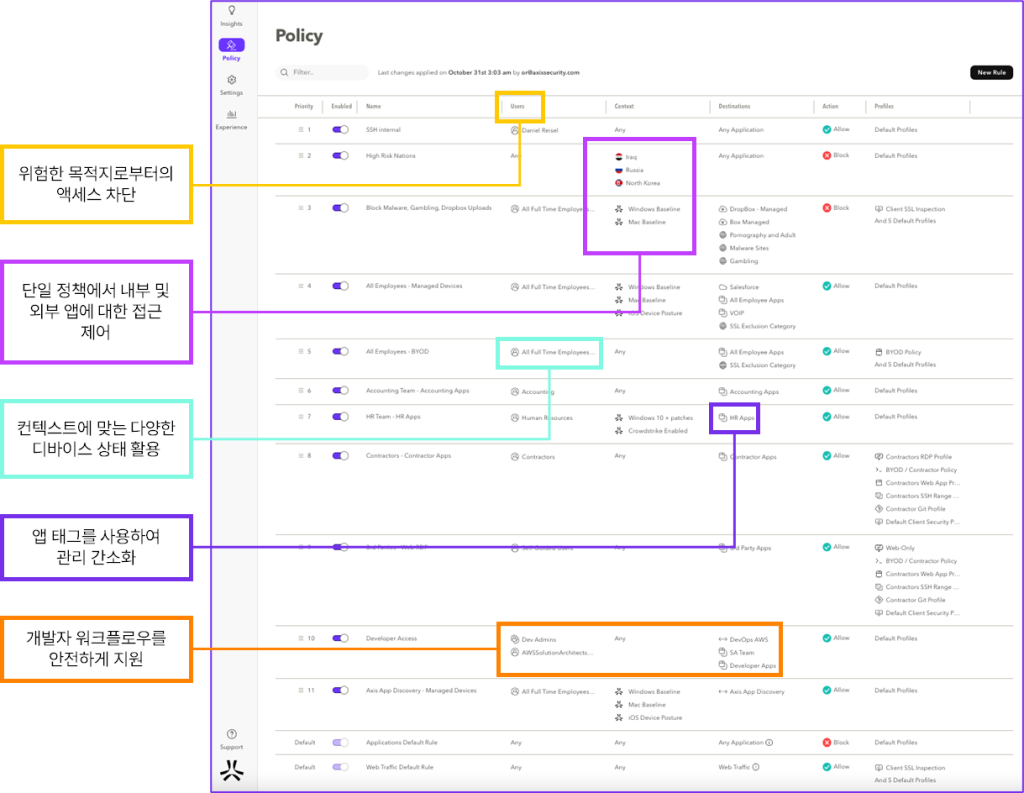
One of the most exciting advantages of SSE is its ability to ensure secure access to specific business resources without requiring access to the network or devices within the network. Policies created and applied through the SSE service enable advanced access control to data.
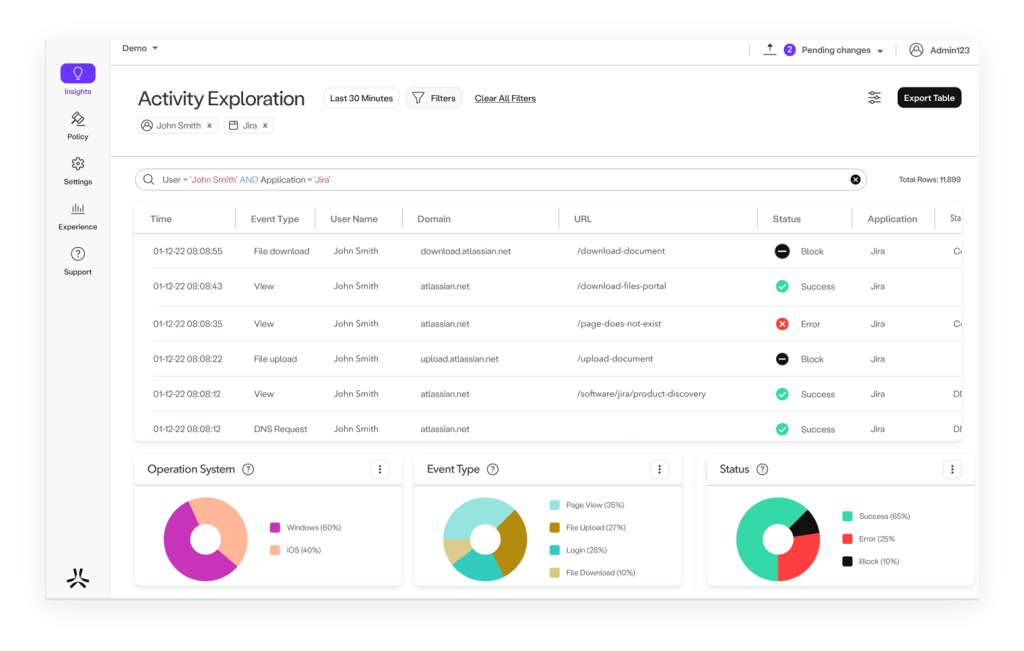
Another key feature provides security and network administrators with visibility into all session traffic.
Logs can help you determine which users are accessing which resources, which commands they use, what content they download, and more.
Role-based access control also helps you manage privileged accounts and control the level of visibility to sensitive data required for compliance.
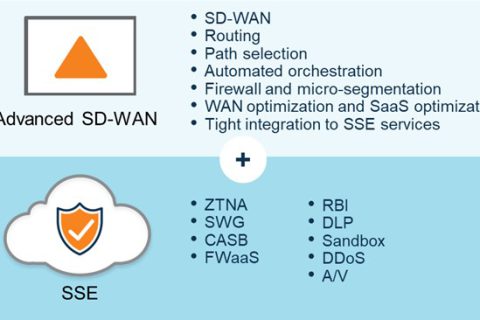
These SSE capabilities can in some cases replace VDI or be combined with remote access solutions to form a powerful combination.
So the reason for cases 1, 2, and 3 aboveIf the primary reason for using VDI is that IT leaders can completely implement VDI by simply introducing SSE services, as it provides granular security and a seamless environment without expensive VDI licenses. SubstituteYou will be able to do it.
For cases 4, 5, 6, and 7SSE has VDI technology SupplementIt is best used for purposes that enhance additional security and control.
One easy way to reduce the significant costs of VDI and adopt zero-trust security is to consider potential use cases within your business where SSE would be most appropriate. Identifying these easily achievable opportunities can yield immediate benefits.
- insurance broker or medical professional For example, if you're an insurance company, you likely employ insurance brokers, who are technically third-party users. It's easy to grant these brokers secure access to your portal using SSE. This also applies to healthcare organizations that employ medical professionals who don't technically work in hospitals.
- B2B customer or supplier access – If you currently use VDI to connect B2B customers or resellers to web portal resources to learn about your products or to web apps to create or cancel orders, using SSE may be a better option than VDI.
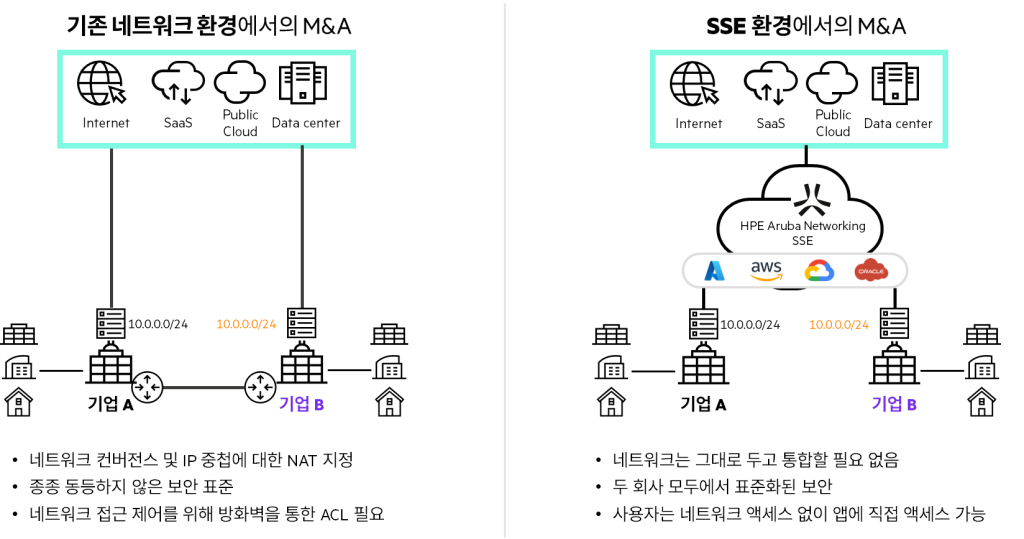
- M&A If your goal is simply to provide employees of a newly acquired company with access to core applications like HR and benefits, there's no need to build an expensive VDI stack. SSE not only reduces costs, but is also much easier to manage and enhances security.
- Access to financial advisors or auditors – If your company has auditors (e.g., E&Y, KPMG, etc.) who need access to your books and financial records, SSE can be a cost-effective alternative. SSE can eliminate the need for VDI technology and associated costs while providing access to the necessary applications.
Ultimately, it's up to businesses to decide whether to replace or complement VDI with SSE.
First, you need to understand how you are currently using VDI, and then determine if you can use SSE to reduce your VDI usage.
Ultimately, putting users on your network and drilling holes in your firewall to allow access to your VDI environment doesn't look good for protecting your network from hackers and malware.
Additionally, continuing to invest in expensive VDI licenses may not be cost-effective.
The good news is that in many cases, there are new alternatives available to IT departments.
An alternative might be HPE Aruba Networking's SSE service.