Wi-Fi, a technology we now take for granted and use so commonly, is a wireless communication technology that is divided into Layer 1 and Layer 2.
Continue reading
Ruban’s Easy Network Story: Beyond the Edge
The EASY EDGE story
Wi-Fi, a technology we now take for granted and use so commonly, is a wireless communication technology that is divided into Layer 1 and Layer 2.
Continue reading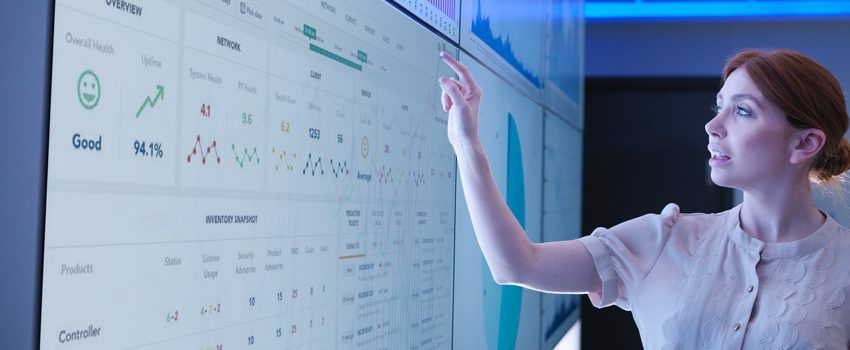
In this post, I will introduce some very commonly used network services: DHCP (Dynamic Host Configuration Protocol)
Continue reading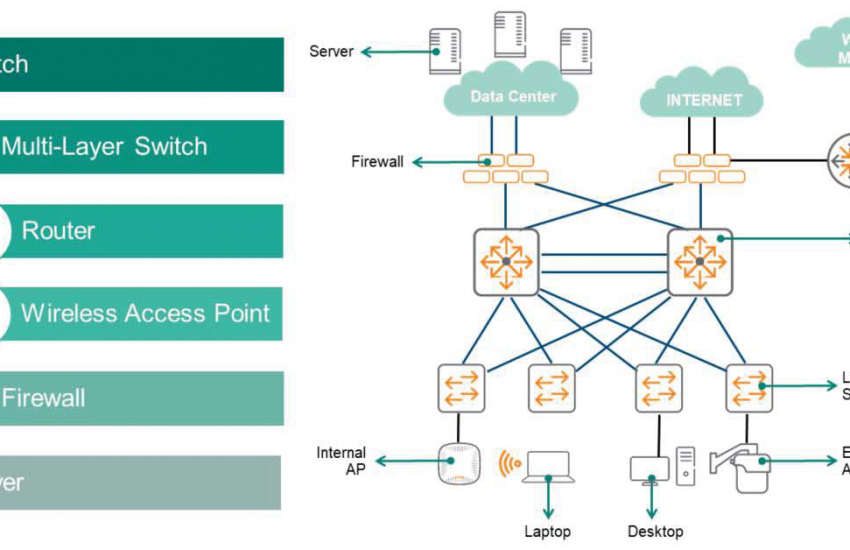
In a corporate network environment, hundreds or thousands of computer devices each use different network elements to communicate digitally.
Continue reading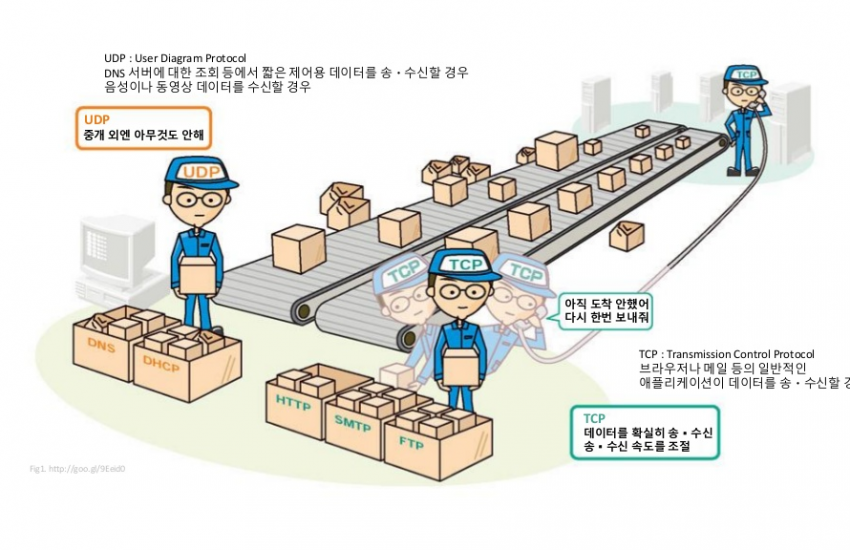
In the last post, we learned about TCP. TCP and UDP are representative protocols used in Layer 4 transport layer. So today,
Continue reading
In the last post, we looked at the IPv4 header at Layer 3 network layer. Today, we will look at the transport layer, Layer 4.
Continue reading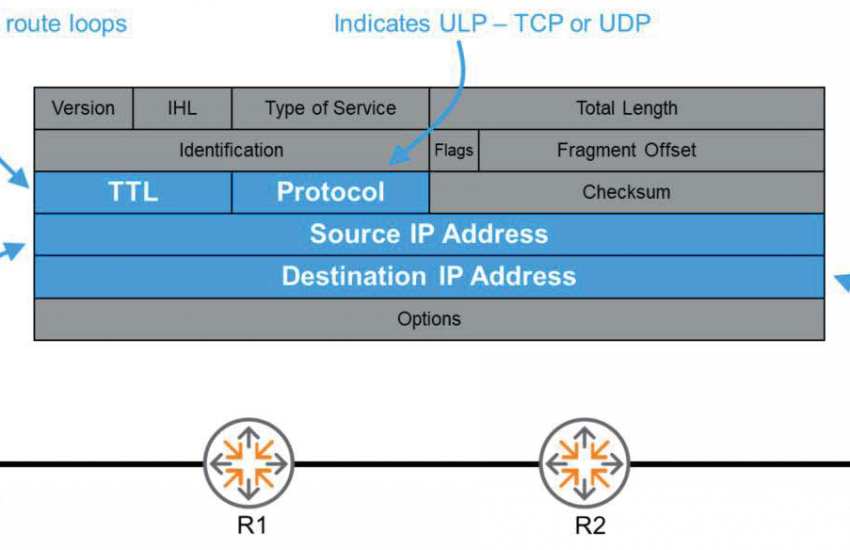
The figure shows the IPv4 header information added to the packet at Layer 3. The important fields in the header are: TTL (Time To Live)
Continue reading
In the last post, we looked at the TCP/IP stack. We compared the TCP/IP stack with the OSI 7-layer model and looked at the differences. Today, we will look at the differences between the TCP/IP stack and the OSI 7-layer model.
Continue reading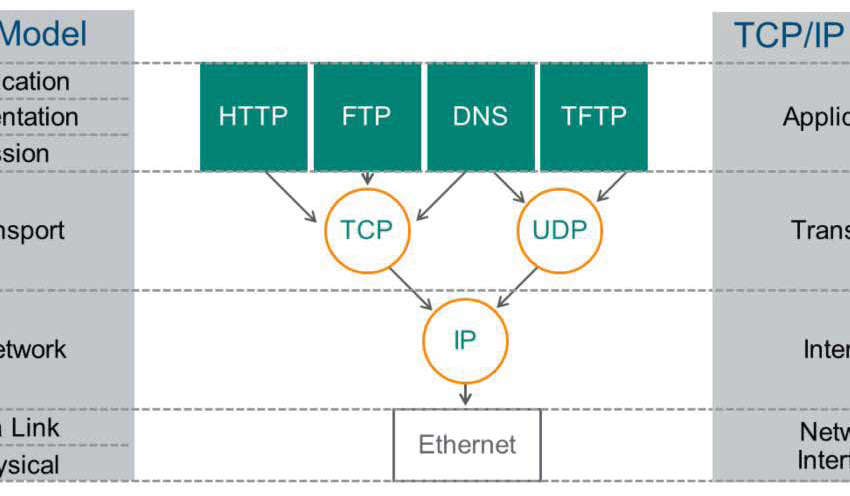
The Internet Protocol Suite is a conceptual model and communications protocol used in the Internet and computing networks. The basic protocols of this suite are
Continue reading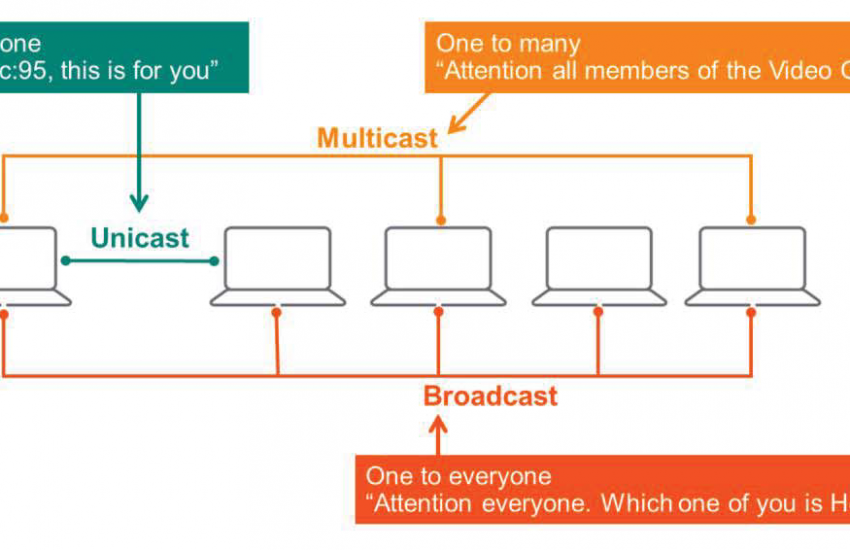
Today, we'll learn about the types of traffic. Computer communications can be classified into three categories: Unicast, Multicast, Broadcast, and Unicast.
Continue reading
Computer devices use different media to transmit information. Each media has different types.
Continue reading