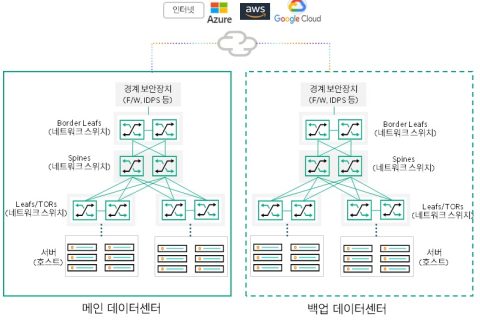
Today, let's first learn briefly about networks.
Before we get into networks, I think we need to understand what communication is.
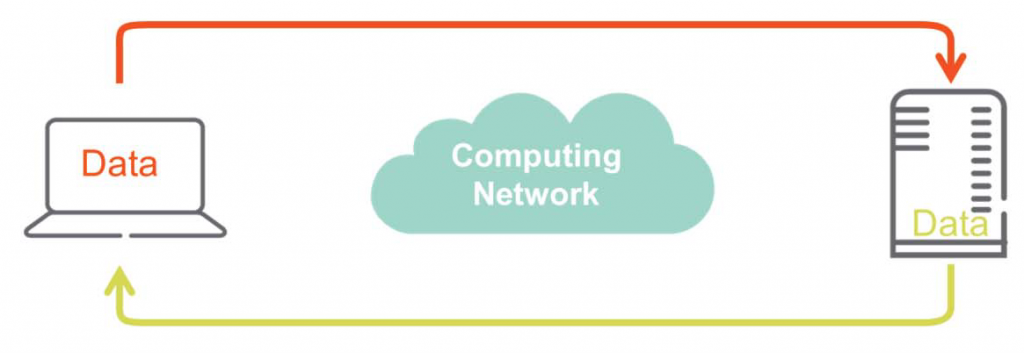
Communication is called communication in English. It means communicating.
Communication is when people communicate with each other and exchange information.
The same goes for machines. Different computers exchanging data is called computer communication – a computer network.
The network is divided into two categories based on the area it covers.
– LAN (Local Area Network)
– WAN (Wide Area Network)
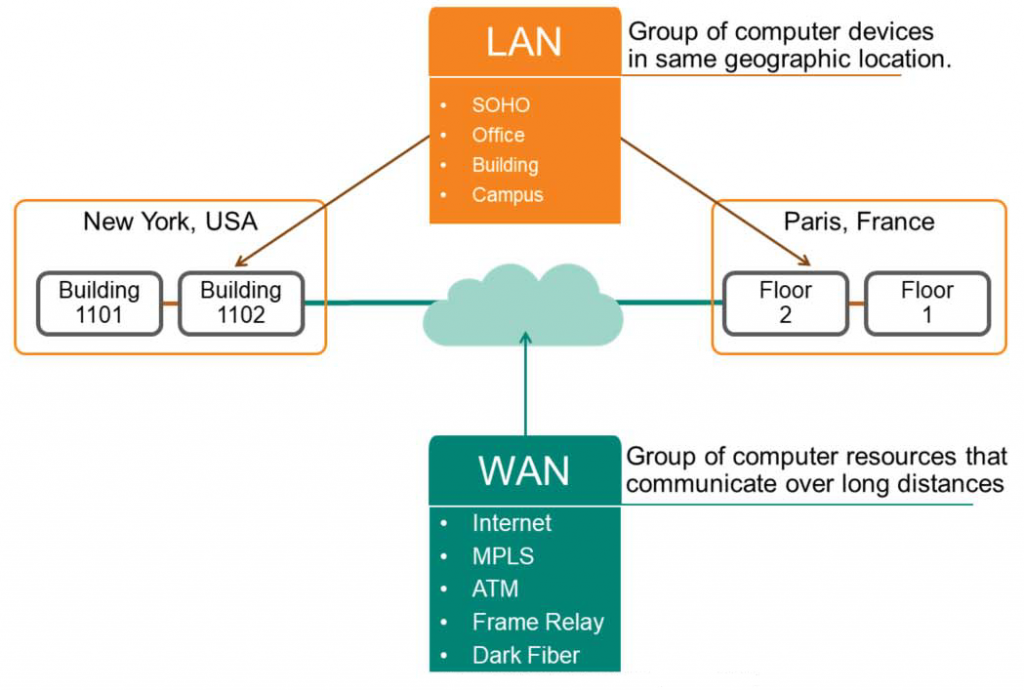
LAN refers to a network that allows computers located in the same geographical area to communicate with each other.
For example, communication between computers located within a building can be called LAN communication.
On the other hand, WAN refers to communication over geographically distant sections.
Typically, WAN is serviced through an Internet Service Provider (ISP) such as KT, SKB, and LGU.
The Internet, MPLS (Multi-Protocol Label Switching), and ATM (Asynchronous Transfer Mode) are some of the WAN communication technologies.
When talking about networks, there is a lot of talk about protocols.
For us to communicate effectively, we must use a pre-agreed language. If I'm talking about what I did yesterday, and the other person is talking about what they're having for lunch today, that's not proper communication.
Or, if I speak Korean and the other person speaks French, which I don't understand, that wouldn't be proper communication either.
That is, the protocols on the network also communicate according to pre-agreed rules.
Just as we greet and introduce ourselves to others when we first meet them, computers also exchange data in a specific order.
In the next post, we will talk about the OSI 7-layer model, which is a standard used in actual networks.