
HPE Aruba Networking Tips

  • [Aruba DevNet Lecture 1] Introduction to Automation and IaC for Network Engineers

    Starting today, I would like to launch a somewhat special and very powerful technical series. It is the 'Aruba Network Automation' series. Haven't network engineers had experiences like this at least once in the field? ‘Having to change the VLAN settings for 50 switches, I broke out in a cold sweat after making a mistake while copying and pasting with 50 Putty windows open…’ “Doing an inventory check on APs…”

  • Role-based zero trust environments

    Until now, our network security has been very static. We controlled traffic and strengthened security by creating security policies based on source IP addresses, destination IP addresses, and ports. However, times have changed. IP addresses are shifting to a DHCP environment, and it is becoming increasingly difficult for IT teams to control user devices, including personal terminals. In this environment, network security using existing security methods…

  • Putting a container image on a switch

    Starting with AOS-CX version 10.13, a new feature called the Feature Pack has been introduced. Advanced features can now be accessed through an additional software license subscription called a Feature Pack. There are two types of Feature Packs: Advanced and Premium. The Premium license is required to enable the NAT and IPSec functions of the CX 10000 switch. Other Feature Pack features are…

  • How to migrate to AOS 10 and what to keep in mind

    It has already been nearly five years since HPE Aruba Networking introduced AOS 10 as its next-generation wireless network operating system. A significant number of Aruba wireless LAN users are currently using an architecture based on AOS 8. However, since the new Wi-Fi 7 access points only support the AOS 10 operating system, it is now time to consider migrating to the new operating system. Always moving to a new operating system…

  • Improve network visibility with CX switches

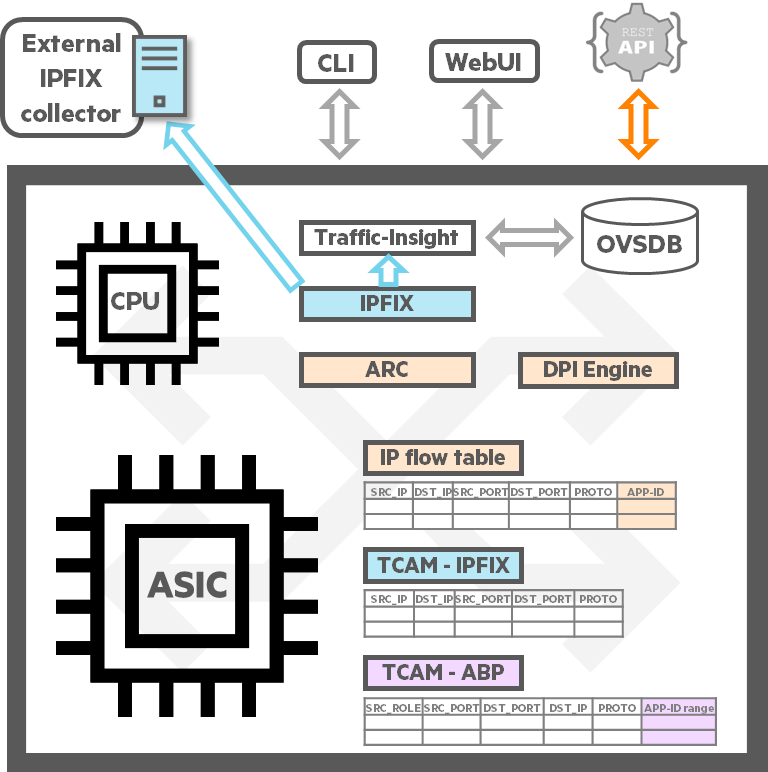
    With the recent increase in the complexity of IT infrastructure, more and more devices are being connected to networks. For network operators, the biggest challenge is determining which equipment is connected where and what actions it performs. For this reason, many observability solutions are being introduced to provide visibility and visualization. Today, even without implementing and deploying a separate solution, visibility into network traffic…

  • Automate Operations with AOS-CX NAE Lite

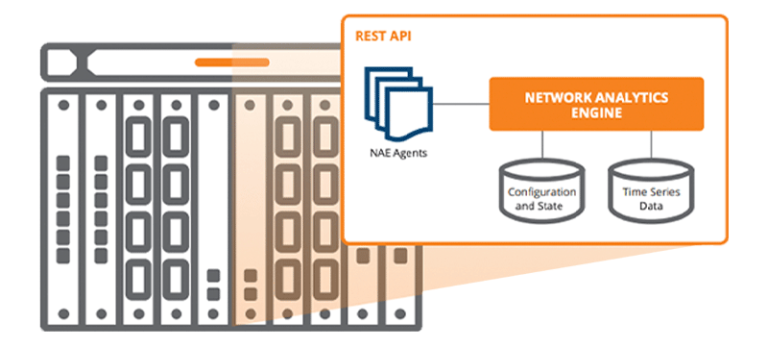
    The AOS-CX switch is equipped with a proprietary analytics engine called the Network Analytics Engine (NAE). The NAE is a unique built-in analytics framework used for network assurance and troubleshooting. The NAE Agent is provided by HPE Aruba and is essentially a Python script for monitoring switch resources and protocol status. However, in this post, we will discuss a topic that does not require knowledge of scripts…

  • AOS-CX Security Settings Guide (2)

    In the previous post, we examined the physical security and Management Plane security of the AOS-CX switch. This time, we will discuss the security of the Control Plane of the AOS-CX switch. The content of both the previous and current posts is based on official information found on the HPE website. Go to AOS-CX 10.15 Hardening Guide (All Switch Series) Control Plane Security Control…

  • AOS-CX Security Settings Guide (1)

    Awareness of network security is growing. Traditional network security mostly involved configuring IP address-based firewalls. However, as numerous applications and systems are now connected to networks, the security of network switches is becoming increasingly important. As networks become more complex and interconnected, interest in the security settings of each switch is rising…

  • AOS-CX CLI Commands (3)

    In the last two posts, we explored the basic configuration of the AOS-CX switch family and how to check entered commands. This time, we will look at the commands necessary for switch maintenance. I have already covered the maintenance commands while writing ACSA training content. However, today, I will explain them focusing more on CLI commands….