Campus Networking

  • [ACSA Training #4] Types of Traffic

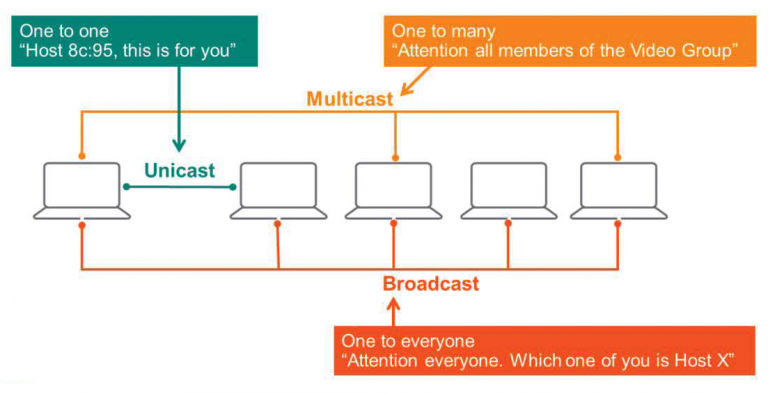
    Today, I would like to learn about the types of traffic. Computer communication can be classified into three categories: Unicast, Multicast, and Broadcast. Unicast represents one-to-one communication (one transmitter and one receiver). To give a simple example, let's assume there are several students in a classroom. A teacher stands at the classroom door and delivers a message by calling out the name of a specific student, let's call A. This…

  • [ACSA Education #3] Physical Media (Devices)

    Computer devices use different media to transmit information. Each medium has different characteristics depending on its type. Fiber optic media modulates light wavelengths, Wi-Fi modulates radio waves, and copper wire media modulates electrical characteristics such as voltage. Copper Cable In the previous post, regarding signals to represent logical data, binary numbers, at Layer 1…

  • [ACSA Training #2] OSI 7 Layers

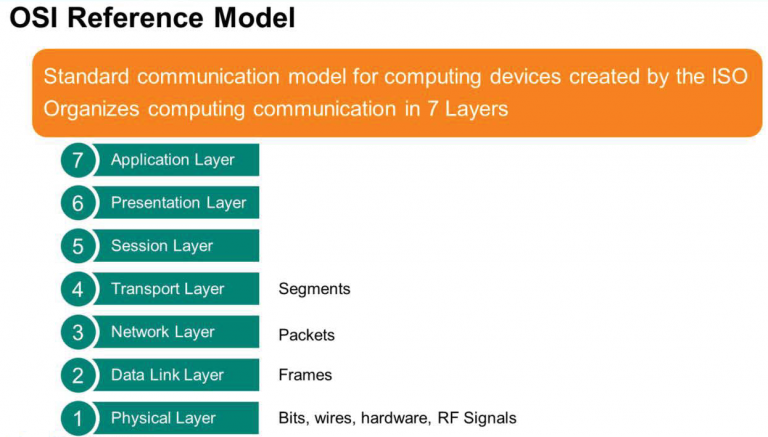
    As computers rapidly advanced in the mid-1980s, all manufacturers attempted to implement their own proprietary communication protocols. As a result, compatibility issues arose between products from different manufacturers, leading to unreliable communication. To resolve this, the International Organization for Standardization (ISO) proposed the OSI (The Open Systems Interconnection) model, a standard communication model for computing devices… .

  • [ACSA Education #1] Network Basics

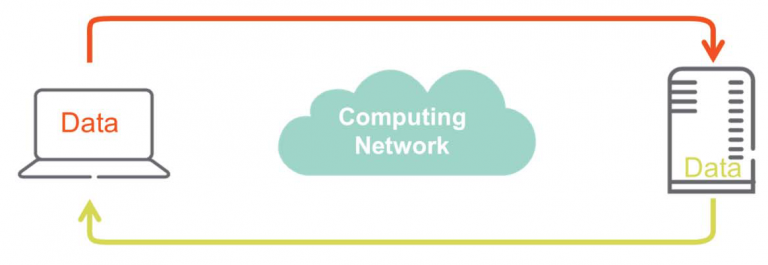
    Today, shall we start by briefly looking into networks? Before we do that, I think we need to understand what communication is. In English, communication is called "Communication." In other words, it means communicating with one another. People conveying their intentions and exchanging information with one another—that is what communication means. The same applies to machines. Different computers exchanging data—that is what computers...