The ACMA certification exam is based on the AOS 8 operating system. Therefore, it is important to understand the AOS 8 architecture.
Continue reading
Ruban’s Easy Network Story: Beyond the Edge
The EASY EDGE story
The ACMA certification exam is based on the AOS 8 operating system. Therefore, it is important to understand the AOS 8 architecture.
Continue reading
All manufacturers, including Aruba, specify the power (output) at the antenna ports of their APs. RF power is expressed in mW (milliwatts) or dBm (in milliwatts).
Continue reading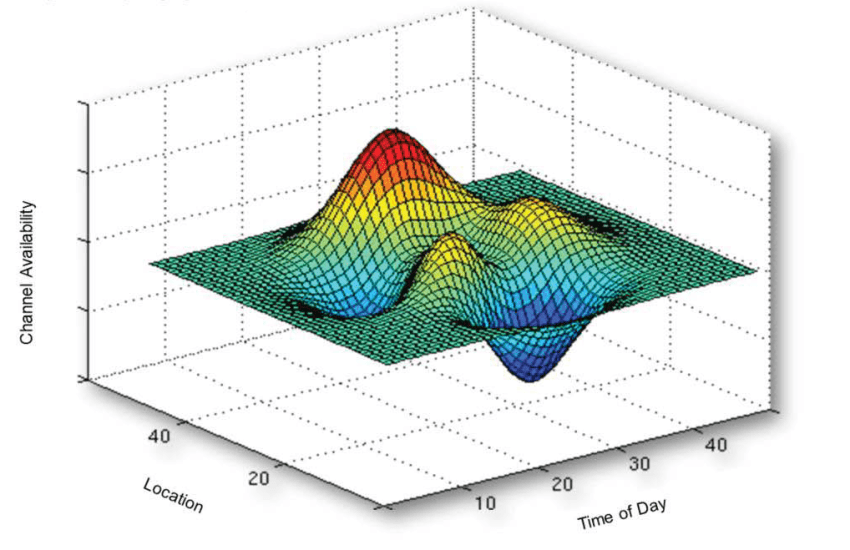
Wireless networks are primarily designed with coverage or capacity in mind. When designing for WLAN coverage, the intended coverage area is considered.
Continue reading
Following the basic training on the ArubaCX switch, this time we will provide training on Aruba wireless LAN (WLAN, Wireless Local Area Network).
Continue reading
Network management is an essential skill for both network administrators and engineers. In this post, we will cover the most important network management skills.
Continue reading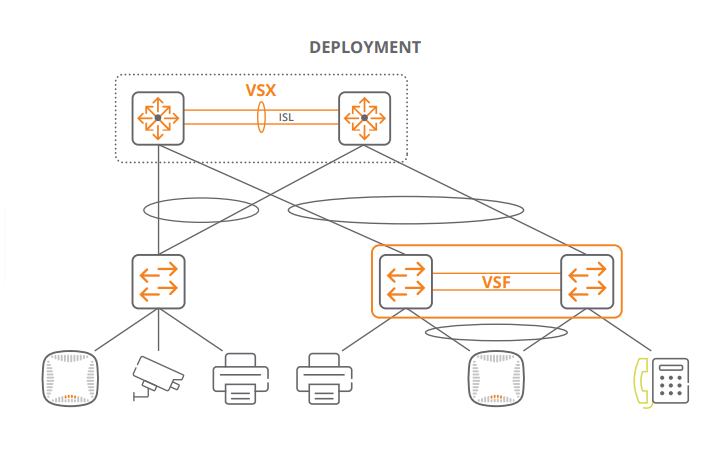
Stacking technology is necessary to design, implement, and configure a more resilient, stable, and high-performance network. In this post,
Continue reading
In the last post, we learned what OSPF is and how it works. So today, we will learn what to do to actually operate OSPFv2.
Continue reading
OSPF is the most widely used method for enterprises to route traffic within their organizations. OSPFv2, among others, is a method for enterprise internetworks.
Continue reading
Before learning about routing protocols, we need to understand Autonomous Systems (AS). Autonomous Systems are systems that are managed under a management domain.
Continue reading
We have already covered routing in the previous post. The actual packets are routed on Layer 3 along with the IP routing table.
Continue reading