

LACP

  • [ACP-DC Training#11] Loop Prevention and LAG Implementation

    Data center design involves multiple layers of redundancy, extending from server NIC cards to uplinks and switches. While this redundancy is essential, it simultaneously increases the risk of network loops, broadcast storms, and network outages. Today, we will learn key technologies to prevent these risks and build high-performance, redundant L2 data centers. 1. Structure of a Collapsed Core L2 Data Center A data center is…

  • [ACP-DC Training #6] DCI and OOBM

    In the last post, we examined various data center network designs. We explained the characteristics of each design, along with their advantages, disadvantages, and architectural changes. This time, we will look at Data Center Interconnect (DCI), which connects data centers, and OOBM, which is a management network. Data Center Interconnect (DCI): A technology that connects multiple data centers. Everyone, it is common for customers to operate multiple data centers. These data centers are one…

  • [ACSA Education #31] Static & Dynamic LAG

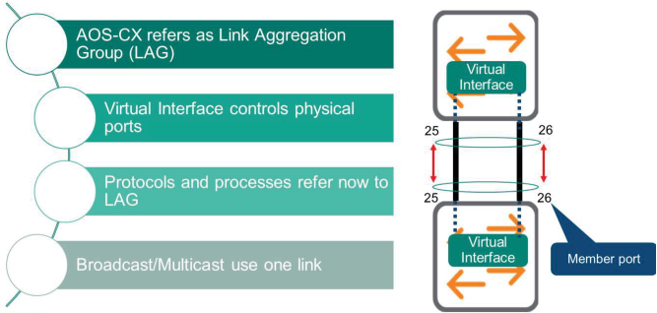
    In the previous post, we briefly looked at LAG (Link Aggregation Group). LAG has two operating modes: Static LAG and Dynamic LAG. Let's examine them in turn. Static LAG: In Static Link Aggregation mode, devices do not exchange any control information with each other. In other words, LAG between switch peers…