Beyond simply the merger of two giants, the industry “Who will survive, Aruba Central or Juniper Mist?” Or, there has been a lot of speculation about “how the two solutions will mix?”.
Recently announced Press releaseThe answer became clear through this. The conclusion is “powerful synergy and integration through mutual transplantation.”.
Today especially Aruba Central Let's take a deeper look at the changes users can expect. What made this magical integration possible? MSA architectureFrom the secret of, newly transplanted to Central LEMLet's take a closer look at its identity.
1. The Ultimate Integration Solution: Why Microservices (MSA)?
The reason Aruba Central and Juniper Mist were able to integrate so quickly is because both solutions Microservices Architecture in a Cloud-Native EnvironmentBecause it was designed based on .
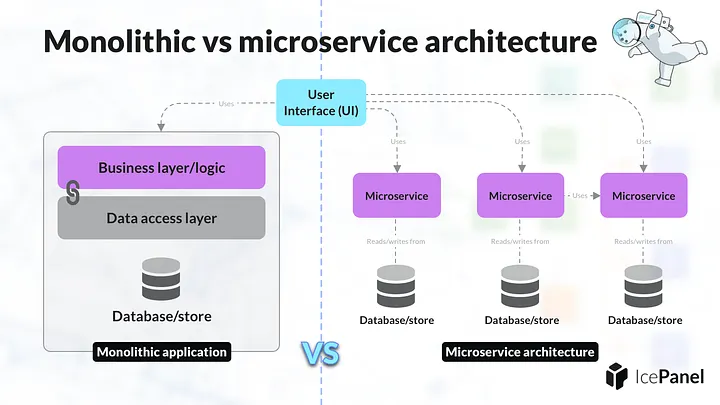
What is microservices architecture?
While past services were monolithic, consisting of a single, large block, MSA is a method of building services by dividing the entire service into smaller units (services) that operate independently.
Separate functions into independent, small units (Services)
metaphor
All-in-one home appliances (difficult to repair)
Lego blocks (Replace/combine only the necessary parts)
Distribution/Innovation
Even small modifications require a full system redeployment
Only specific services can be individually deployed (rapid innovation)
Disability impact
One error can lead to total paralysis
Maintain system stability by isolating only faulty services.
Technology Stack
Dependency on one language and framework
You can choose the most suitable language/DB for each service.
recent Cloud native It is clear why MSA is in the spotlight in the environment.
This is because, in modern networks with tens of thousands of IoT devices connected, it provides the agility to scale specific functions in real time and update new features daily without service interruption. This structure enabled HPE to quickly integrate the capabilities of both companies (Aruba/Juniper) into a "Develop Once, Deploy Everywhere" strategy.
2. It's not an LLM, it's a LEM (Large Experience Model)!
The most important word for Aruba Central users in this integration is: LEMno see. It is easy to confuse it with ChatGPT's LLM, but their purposes are completely different.
LLM (Large Language Model): Learn language to generate text
LEM (Large Experience Model):Massive network telemetry dataBy learning The actual quality of the user's experienceAnalyze and predict
division
LLM (Language Model)
LEM (Learning Empirical Model)
Training data
massive text and language data
Massive network telemetry and user experience data
Main purpose
Natural sentence generation and understanding
Application quality prediction and failure cause analysis
Application Cases
Chatbot, summary, translation
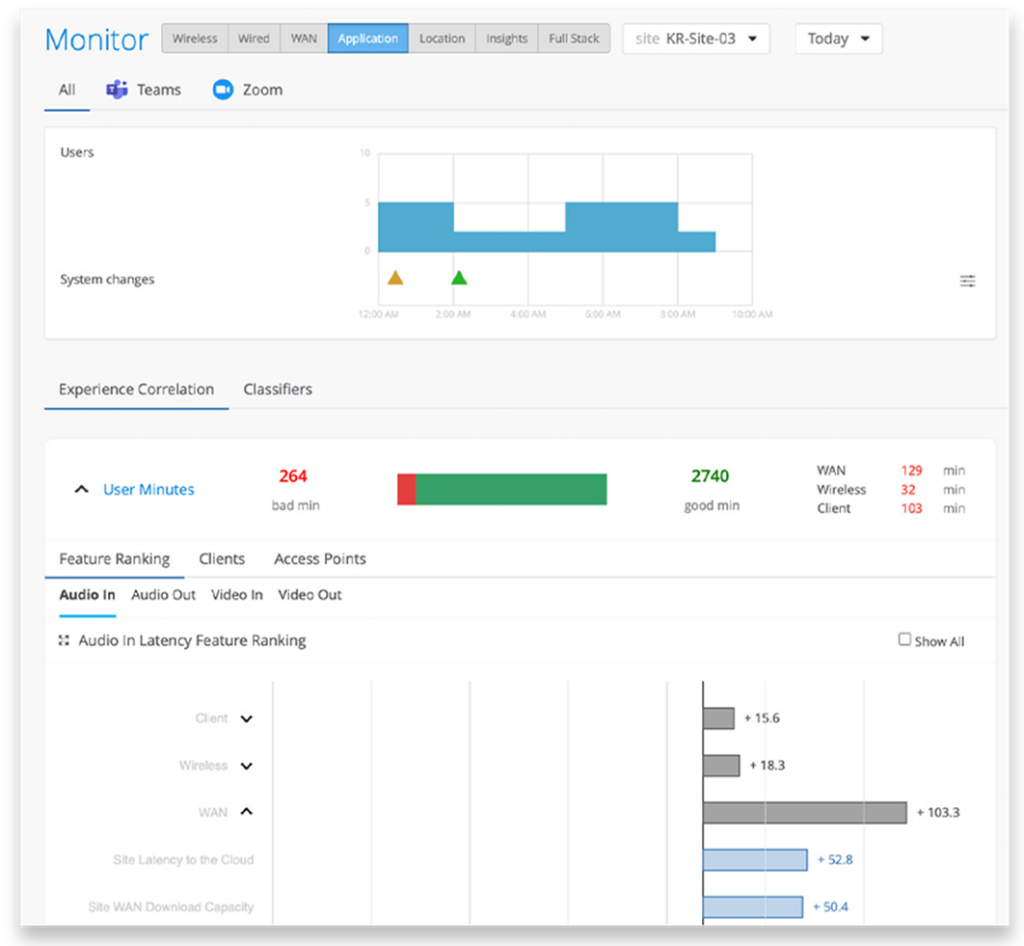
Zoom/Teams disconnect analysis and self-optimization
The existing Aruba Central also Industry-leading dataAnalytical skills, but Mist's LEMThis transplantation means that Central's AIOps leaps to the next level.
💡 What if LEM is installed in Central?
It's not just about saying "the signal is strong/weak.".
AI understands the context: "This user is currently in a Teams video conference, but based on the surrounding interference patterns, there's a high probability that the call will be disconnected within a minute." This is the core driving force behind Aruba Central's evolution from an "infrastructure-centric" to a "user experience-centric" approach.
3. Major Crosspollination Cases
Thanks to the MSA architecture, each platform's "killer features" are freely ported across borders.
Aruba Central ➡ Juniper Mist:
Powerful client profiling: Device identification and zero trust policy visibility transplant.
Unified NOC View: Share an overwhelming dashboard experience that lets you manage your global network at a glance.
Juniper Mist ➡ Aruba Central:
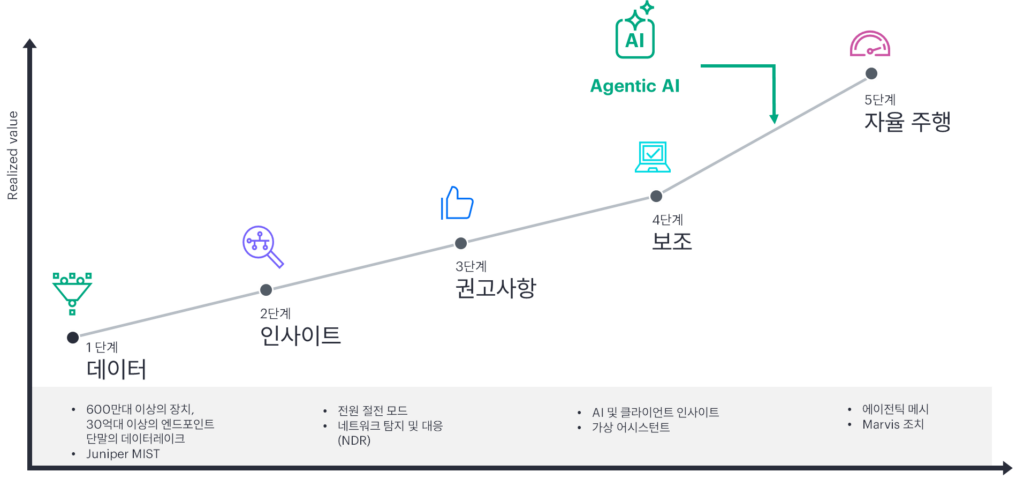
Marvis Actions: Equipped with an autonomous driving framework that proactively identifies issues and automatically takes action (remediation).
LEM-based analysis: Applying models to predict and optimize real-time app experiences, such as video conferencing.
4. Expected Effects (Business Value)
This combination goes beyond simple functionality and delivers real value to your business.
Expected effect
Details
Accelerating the pace of innovation
‘Accelerate updates to new security and AI features through a "develop one, apply two" model.
Reduce operating costs
AI self-driving reduces trouble tickets and minimizes on-site dispatches.
Investment protection and flexibility
Eliminate infrastructure constraints with a 'dual-platform Wi-Fi AP' that can be operated by selecting between Central and Mist.
Maximize user experience
AI diagnoses the root cause of failures in real time, ensuring a seamless work environment.
One Team. One Vision.
HPE Networking is now One Team, One VisionMove to . Our goal is to provide customers with a differentiated experience through a safe AI autonomous driving network.
With platforms integrating at an unprecedented pace across the industry, we are witnessing not just the merger of two companies, but the birth of an era where networks think and manage themselves. HPE's complete portfolio (compute, storage, security, and networking) now offers a complete, full-stack solution from client to cloud.
Aruba Central is now more powerful with Mist's intelligent engine.
“In an era where AI provides clear answers to the question, "Why is my network slow?", you're already at the center of that innovation.