Network management is an essential skill for both network administrators and engineers. In this post, we will cover the most important network management skills.
Continue reading
Ruban’s Easy Network Story: Beyond the Edge
The EASY EDGE story
Network management is an essential skill for both network administrators and engineers. In this post, we will cover the most important network management skills.
Continue reading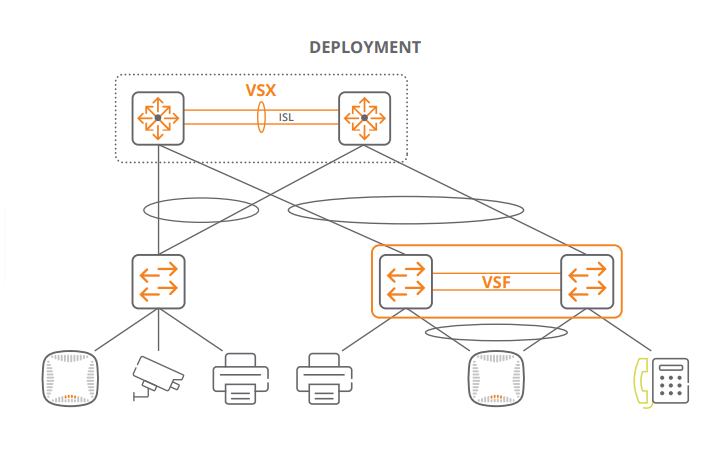
Stacking technology is necessary to design, implement, and configure a more resilient, stable, and high-performance network. In this post,
Continue reading
In the last post, we learned what OSPF is and how it works. So today, we will learn what to do to actually operate OSPFv2.
Continue reading
OSPF is the most widely used method for enterprises to route traffic within their organizations. OSPFv2, among others, is a method for enterprise internetworks.
Continue reading
Before learning about routing protocols, we need to understand Autonomous Systems (AS). Autonomous Systems are systems that are managed under a management domain.
Continue reading
We have already covered routing in the previous post. The actual packets are routed on Layer 3 along with the IP routing table.
Continue reading
In a previous post, we discussed the default gateway. An endpoint can only have one default gateway.
Continue reading
Since the switch is a Layer 2 device, the ports of the switch become members (member ports) of each VLAN or transmit frames, etc.
Continue reading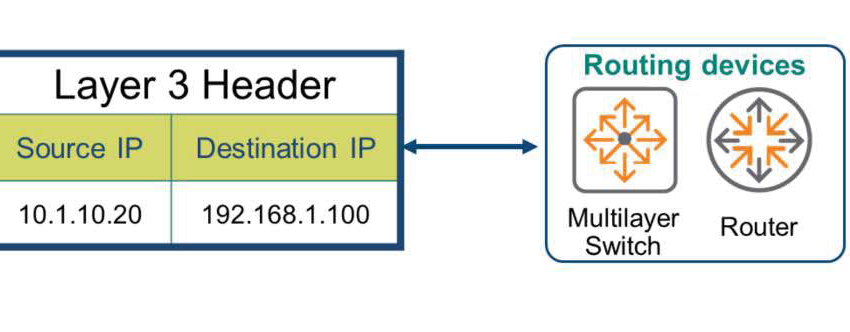
I have been posting about 30 ACSA related training posts and have covered content centered on Layer 2. Now, I will focus on Layer 2.
Continue reading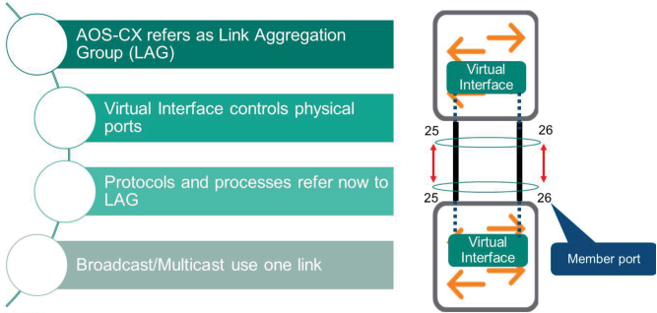
In the last post, we briefly looked at LAG (Link Aggregation Group). LAG has two operating modes.
Continue reading