

Why HPE is Acquiring Juniper
The combination of HPE and Juniper Networks will fundamentally transform the networking industry and provide customers with greater choice.
January 2024, HPE(Hewlett Packard Enterprise) announced that it is acquiring Juniper Networks.
– Related press releases: HPE to acquire Juniper Networks to accelerate AI-driven innovation | HPE
This proposed acquisition presents tremendous opportunities for HPE and its stakeholders, and has generated significant interest among customers and partners.
The acquisition of Juniper Networks gives HPE the ability to offer a modern, AI-powered networking fabric capable of training and deploying AI applications. Simultaneously, by shifting HPE's portfolio to higher-growth, higher-margin market segments, it has the opportunity to quickly capitalize on the enormous opportunity presented by AI.

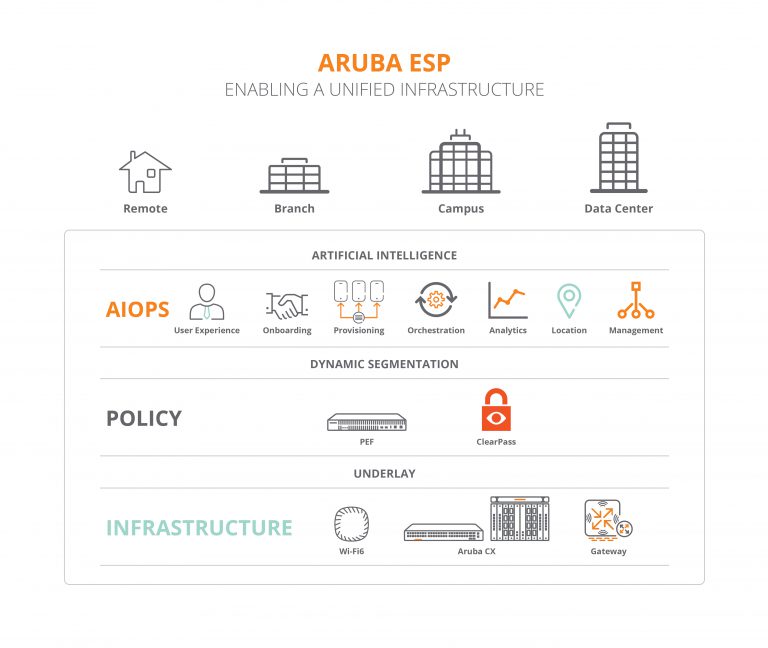
Building on the impressive performance of HPE Aruba Networking in the campus and branch sectors, Juniper Networks is expanding its existing HPE Aruba offering. Complementing our portfolio and driving rapid growth in AI, data centers, service providers (SPs), and cloud.do.

The merger and acquisition of these two companies The goal is to be in the networking industry. The most innovative and competitive Integrating the two organizationsThis will better address customer challenges and goals and disrupt existing market frameworks. The integration of the two companies will create a new full-service networking company with a comprehensive portfolio that prioritizes customers and develops products that deliver greater value.

The combination of HPE and Juniper Networks will fundamentally transform the networking industry, not by eliminating products from both portfolios, but by offering customers more choice. Both companies have strong product offerings, and combining them will enable them to quickly deliver value and flexibility to all customers.

Future direction
The acquisition of the two companies is expected to be completed in late 2024 or early 2025.
For now, HPE and Juniper will continue business as usual, maintaining the products and services they currently sell.
All products currently sold by HPE, including all hardware, services, and solutions offered by HPE-Aruba, will remain available for purchase, and existing warranties and end-of-life policies will continue to apply.
HPE minimizes disruption to customers and partners
Antonio Neri, President & CEO of Hewlett Packard Enterprise
We are committed to completing the acquisition and subsequent integration process.
HPE has been seamlessly integrating many new products into its existing portfolio.
Existing HPE or Juniper Networks customers and partners will now benefit from uninterrupted service delivery while enjoying expanded portfolio choices. Whether for existing or newly acquired products, the company will maintain its product lifecycle policy and provide robust support services that customers value most.

HPE's acquisition of Juniper Networks will enable it to drive more innovation, faster.
This will be a good thing not only for HPE, but also for our customers, partners, and the industry as a whole.
References:
More detailed information regarding the acquisition can be found on the HPE website.